
💡Introduction:
Iceland is simply amazing. It’s full of unbelievable mind-bending landscapes that offer a once in a lifetime experience. Nature at its wildest, scenic views, outwordly rough landscapes that will feel alienating and beautiful in a very new way. It’s rough. Adding the Northern Lights (Aurora Borealis) to that mix is just a cheat.
👉This post is a product of the collective experiences and information we gathered before and during our trip. We watched tons of YouTube videos, read blogs, lurked on Reddit, and also gathered advice from locals and people who had visited in the past. And on top of that are our experiences and perspective!
The post is divided into 9 parts for convenience:
🗓 1. Time of the year – When should you visit Iceland?
🧤 2. Clothing – What clothes to bring to Iceland?
🏃♂️ 3. Where to settle and Excursions Options (Golden Circle, South)
🚙 4. Renting a Car vs Joining Group Activities
🚐 5. What about Campervans?
🏡 6. Accommodation in Iceland – Stay free using HomeExchange
🏪 7. Groceries and Markets
📲 8. Must have apps on your phone when visiting Iceland
🗓 1. Time of the year – When to visit Iceland;
If you want to see the Northern Lights then you should target the period from September to March.
Why? From March onwards the day starts becoming so long that there’s not enough darkness to see the phenomenon (which still occurs – but it’s just not visible) But because during winter the darkness and night are really long you will probably miss some of Iceland’s majestic nature, and heavy snow makes things hard. So, in our opinion, November to January is also..out
👉This leaves us with September, October, February & March. In our opinion, these 4 months have the perfect balance between day and night, the Aurora is there and the snowfall should be at moderate levels 🙂

(To put this into perspective for the 1st of March sunrise is at 8.36 am and sunset at 6.46 pm which gives 10 hours of daylight. Pretty sweet!)
🧤 2. Clothing – What clothes do we need for Iceland?
Being Greek, there was a fear of how to make sure we are dressed properly for Icelandic winter but with very few purchases we didn’t have to worry at all. The strategy was dressing in layers and the rest was easy.

Inner Layer:
🩲 Thermal underwear (something like this)
🧦 Winter socks (something like this, and we’d also wear a pair of normal short socks underneath)
🧤 Snow Gloves (something like this and usually a thin pair of gloves underneath like this)
Outer Layer:
🏂 Ski pants (wetproof & windproof)
🧥 Winter Jacket (wetproof, windproof, made for snow)
🤶 Beanie
🎿 Hiking Boots (Snow boots are even better, 100% waterproof + in case of glacier hiking)
Extras
⛷Winter Hiking Poles
(Best decision I made, there was so much snow hiking and they were making things really easy)
⚓️ Crampons – Winter Spikes (example here)
(Useful for paths where snow has turned into slippery ice)

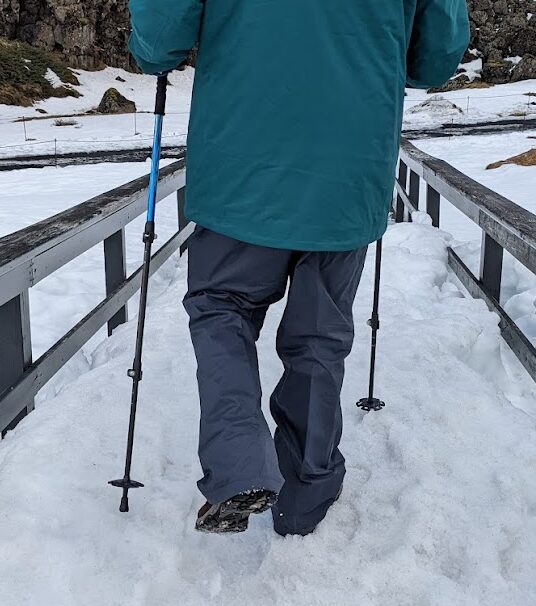
I listed some examples from Amazon but in my case I had most and only bought the winter hiking poles from Δημητριάδης store in Athens as well as my winter jacket from Patagonia
🏃♂️ 3. Where to Stay & Excursions Options in Iceland
Where to Stay – Reykjavik
Most people prefer having Reykjavik, Iceland’s capital as a base and from there make excursions using a car or by joining groups that go on organized tours.
If you are there for a few days (10 or less) then it’s by far the best choice. You could choose a nearby city but they are too small (eg Selfoss) and Reykjavik definitely has a few things to offer as a town, which overall makes it worth it.
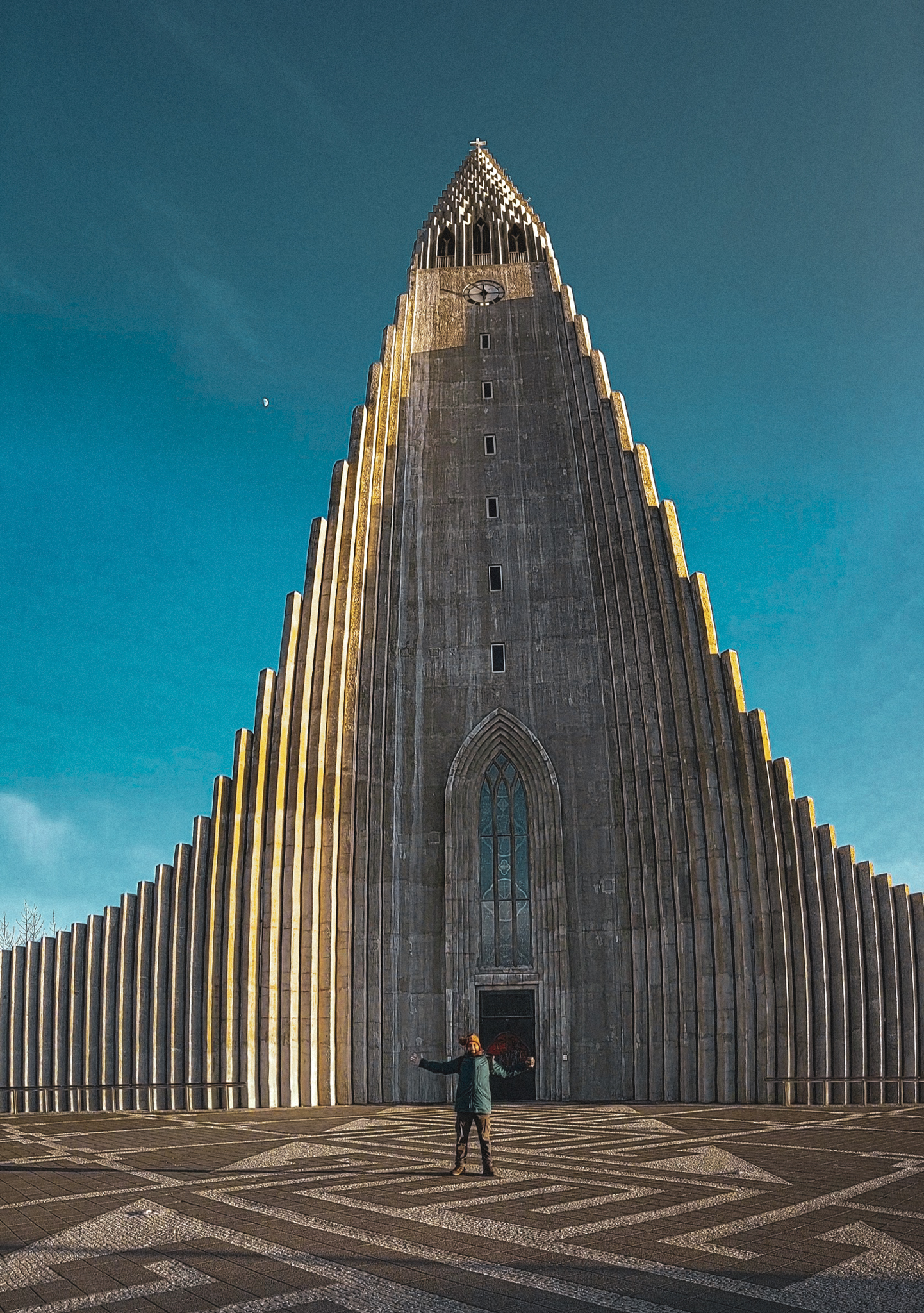
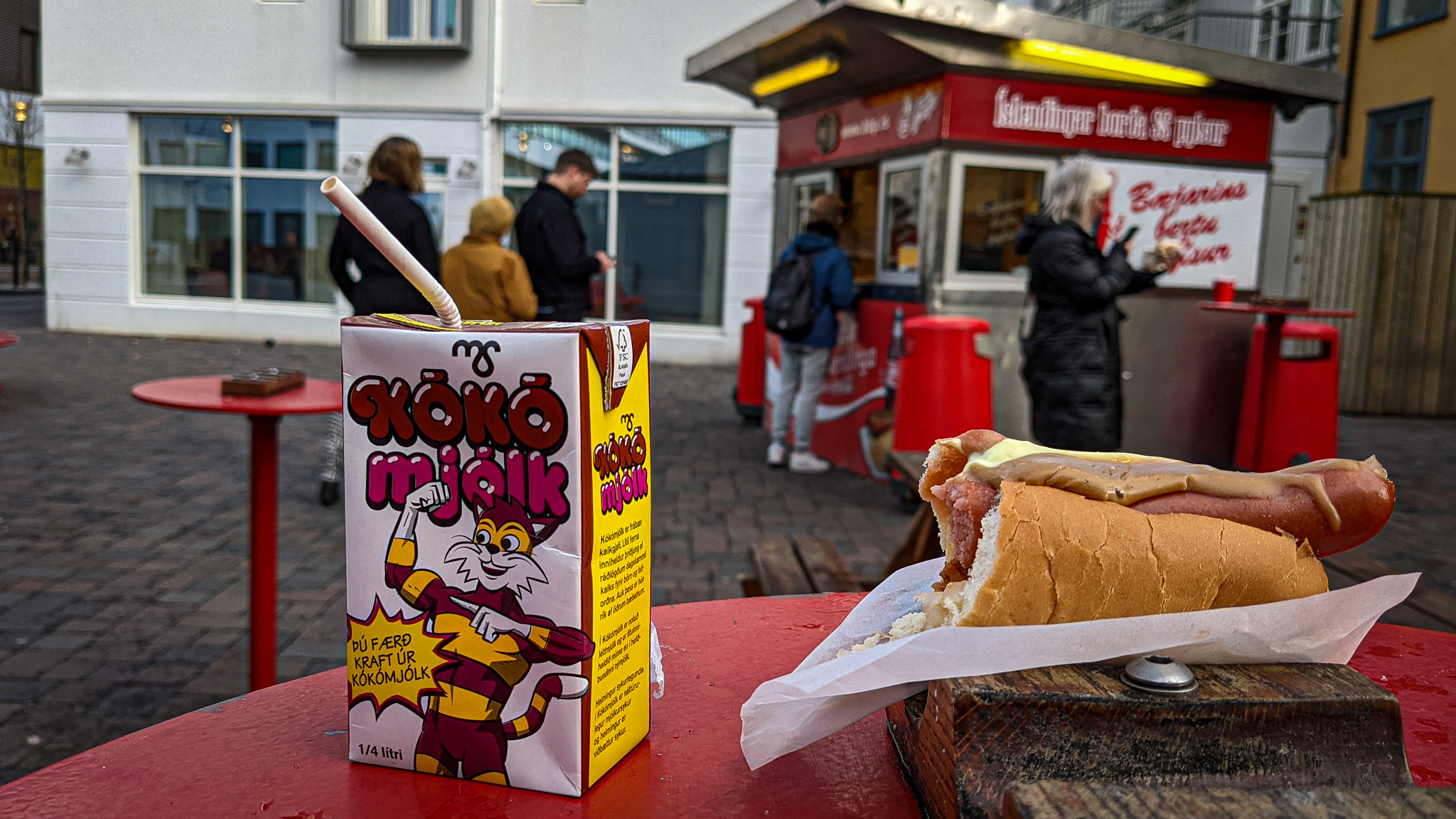
Here are some photos (click to zoom)

🟡 Excursion 1 – Golden Circle and Fagradalsfjall volcano
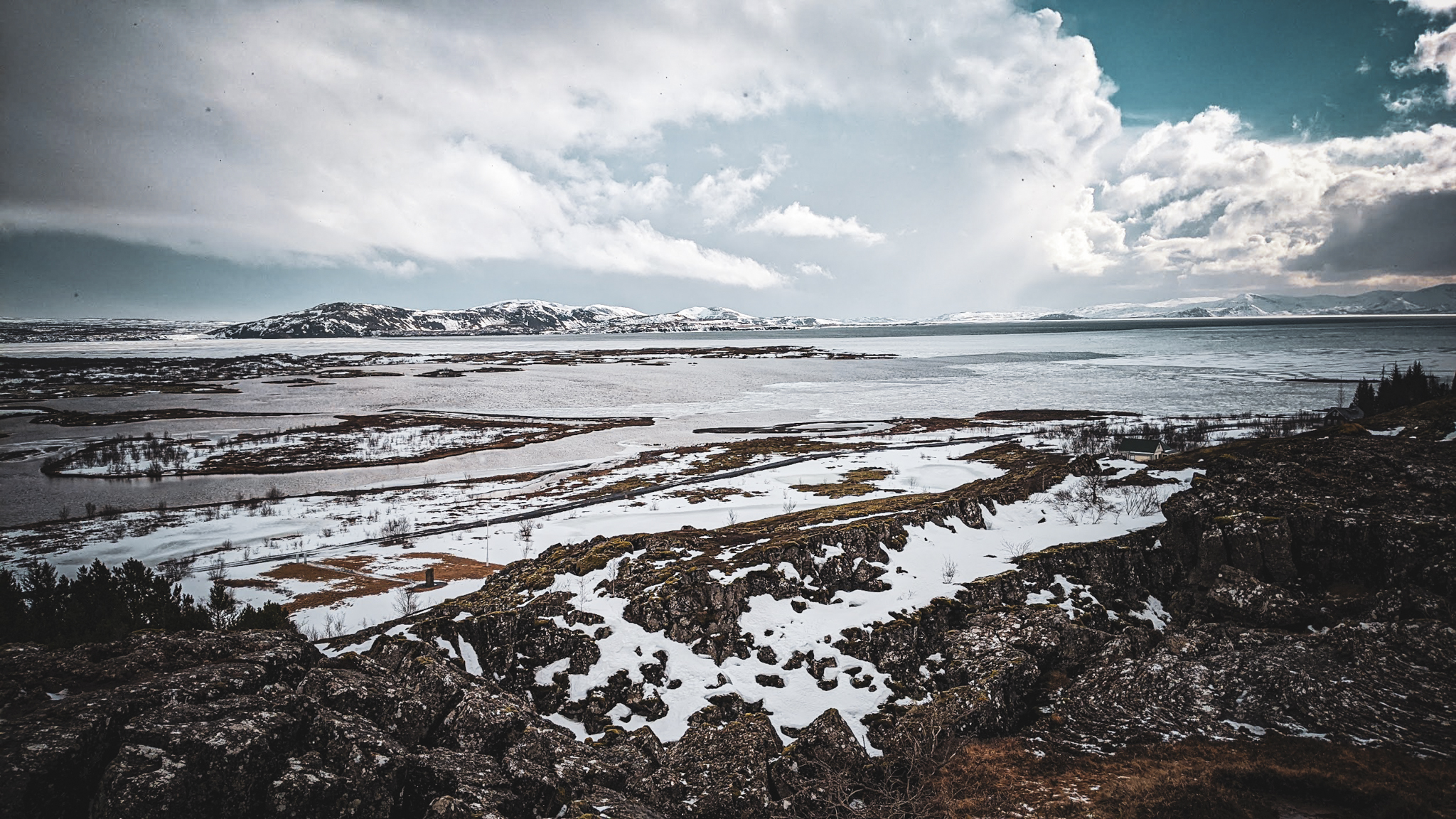
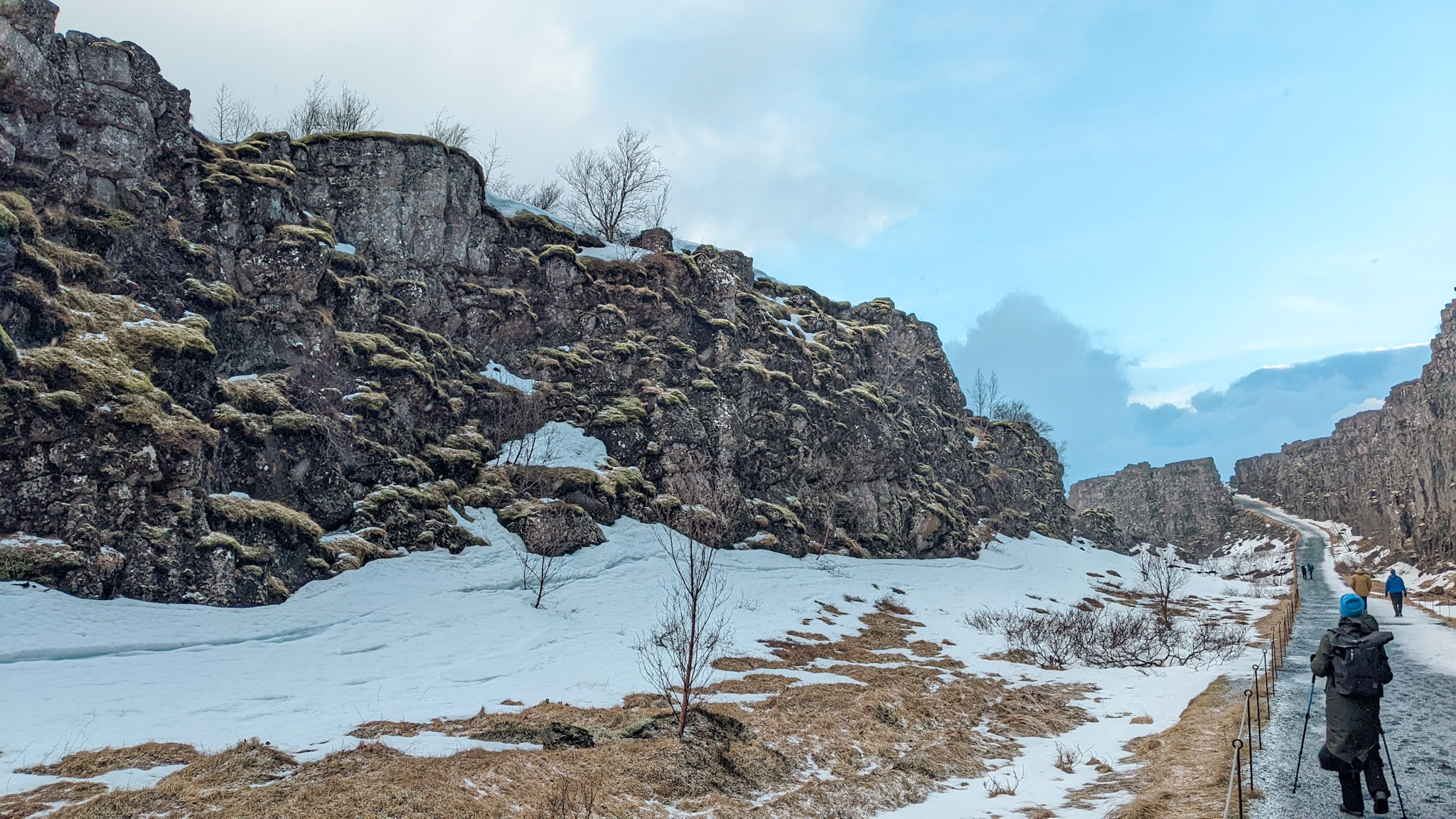
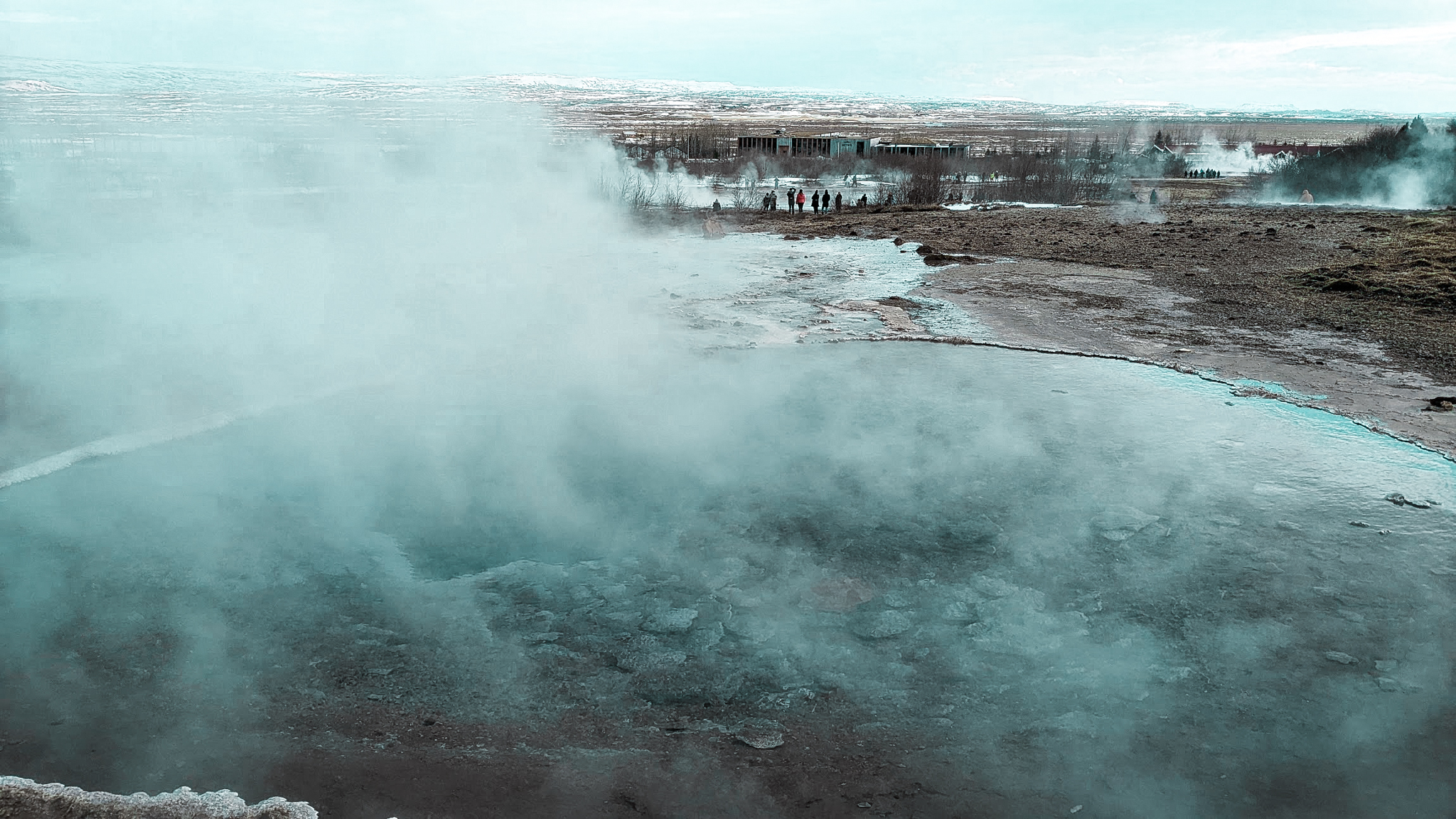
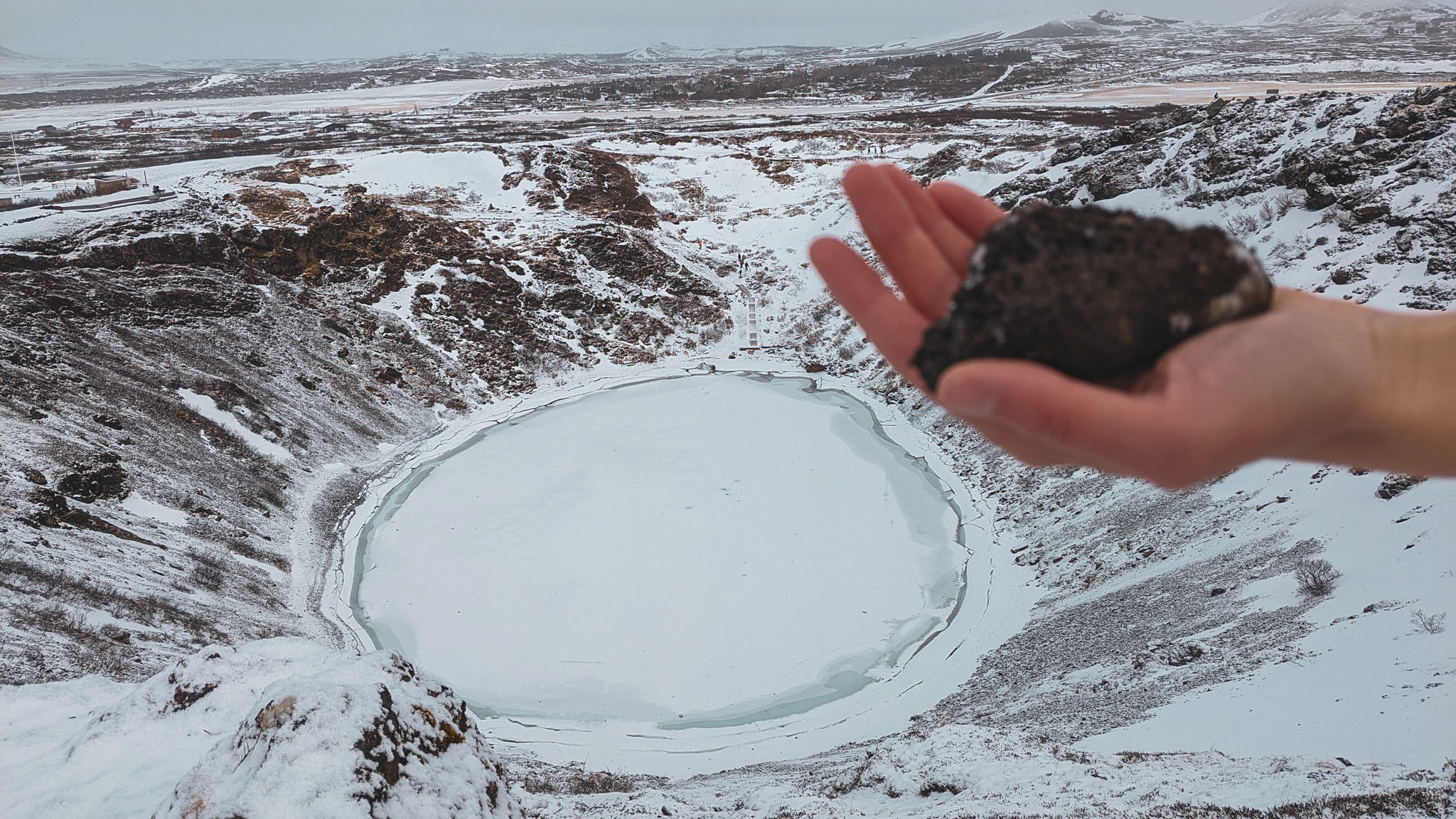
The Golden Circle is probably the most known excursion route in Iceland. It’s a route going through some of the most known landmarks, sightseeing attractions, and viewpoints such as the Gulfoss Waterfalls, the Geysers, the Thingvellir National Park (where the tectonic plates of North America and Eurasian meet and move away from each other, creating the park and a growing rift) the Kerid crater and many more.
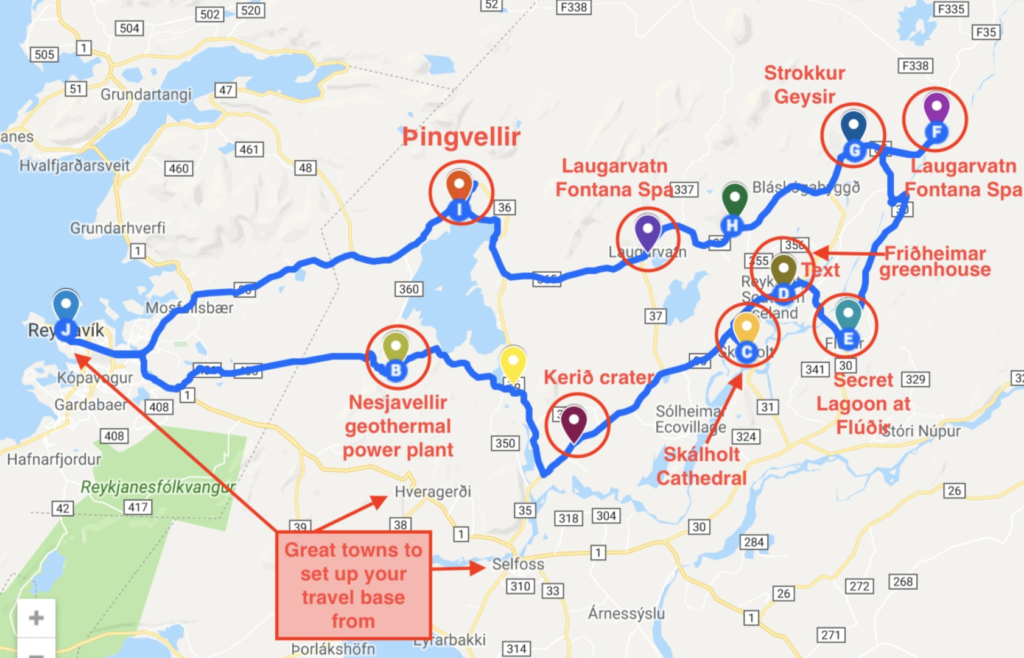
I will go into more details from my experiences in the Golden Circle in a future post but for now just know that it’s there, it’s a must, and it can be explored with Reykjavik as your base in about 3 days of driving.
Some photos (click to zoom)
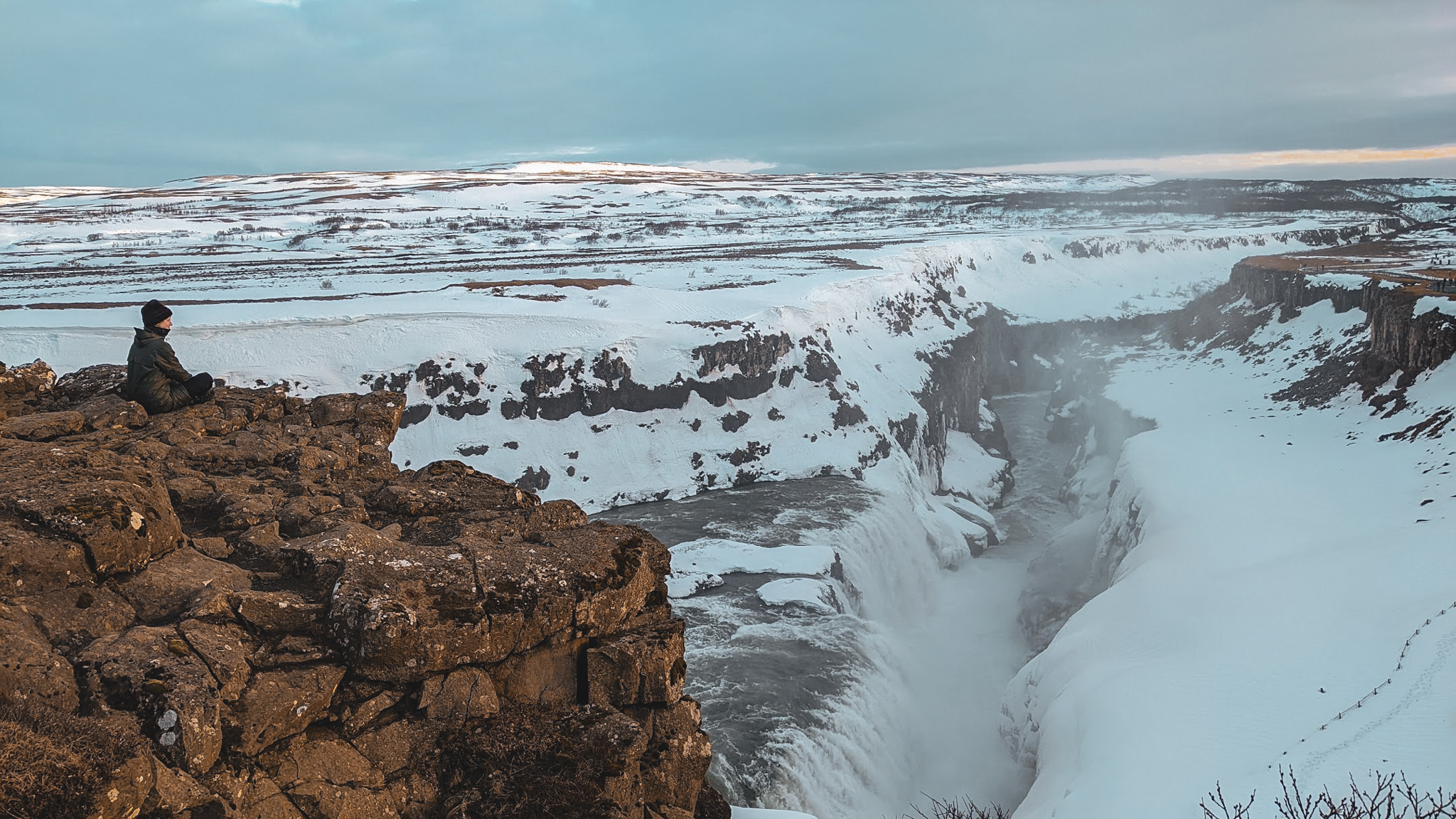
2022 Bonus: Fagradalsfjall Volcano
There’s also Fagradalsfjall volcano, located 1 hour east from Reykjavik which is a huge must and has been active in 2021 as well as 2022! It’s not really combined with other attractions so it would be mostly a back-and-forth ride, with some nice landscapes. If you are lucky you can still see it live like these people below. When we visited it was active and steaming (no visible lava) and it takes around 10-30 mins on foot to approach depending on which parking area you find yourself at.
Please note that removing any piece of lava is illegal. (Although most Icelanders have a piece in their homes)
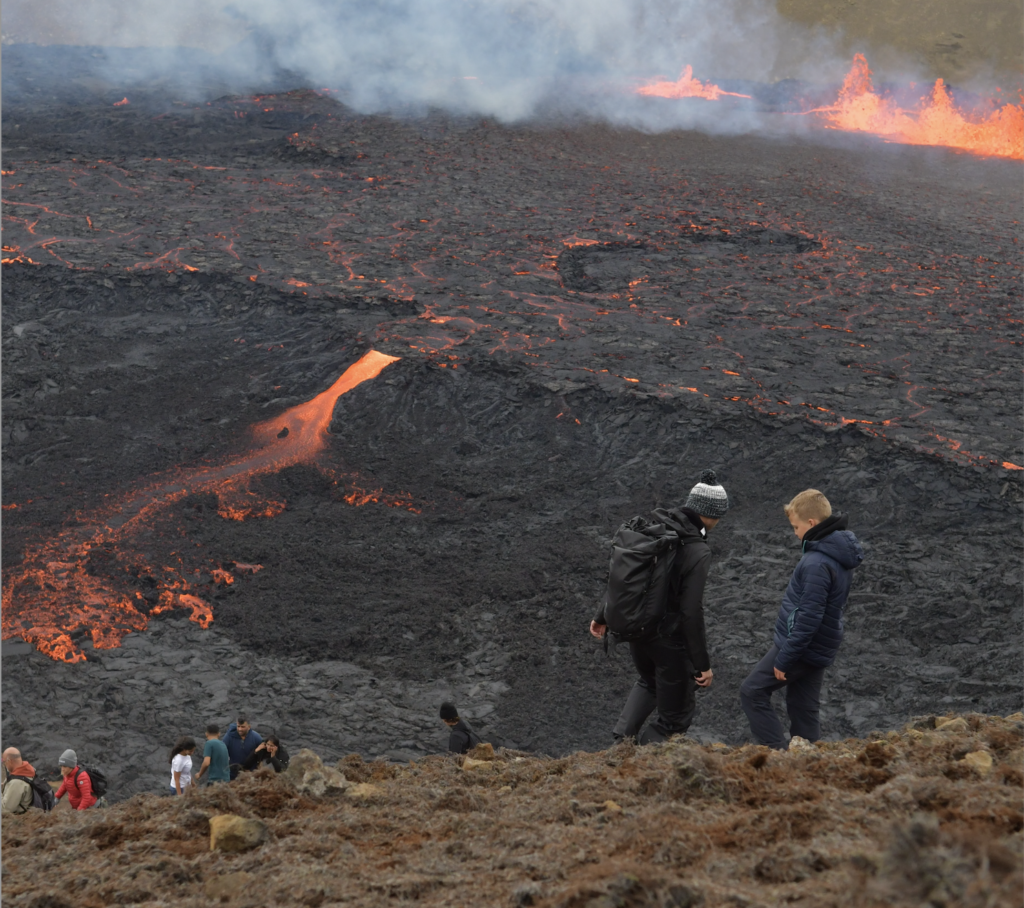
⬇️ Excursion 2 – South and SouthWest of Iceland
Next up we have the South & SouthWest side of Iceland. Some of the most magnificent waterfalls lie there, glaciers as well as the famous black sand beach. Most stuff are 3-7 hours away from Reykjavik so for this part you are either looking for a heavy driving day trip or you should consider spending 1-2 nights there.
Our suggestion in exploring the South would be to actually spend 1-2 nights there (after you are done with the Golden Circle)
In the map below (that is lacking a lot of stuff but can give a general idea) we suggest doing one day as a 1,6,1 (Reykjavik, Blue Lagoon, and a stop at the Fagradalsfjall volcano) then another 1 or two days going 1,5,4,1 in the Golden Circle and then another day or two doing a 1,4,2,3 by spending the night at Vik, the biggest city in the south.
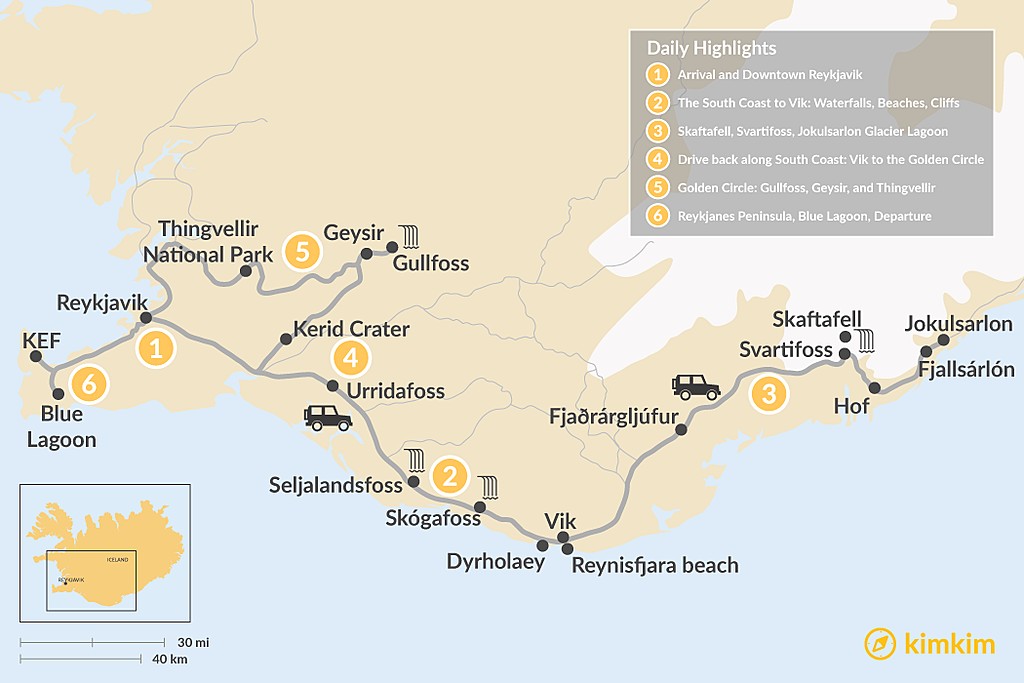
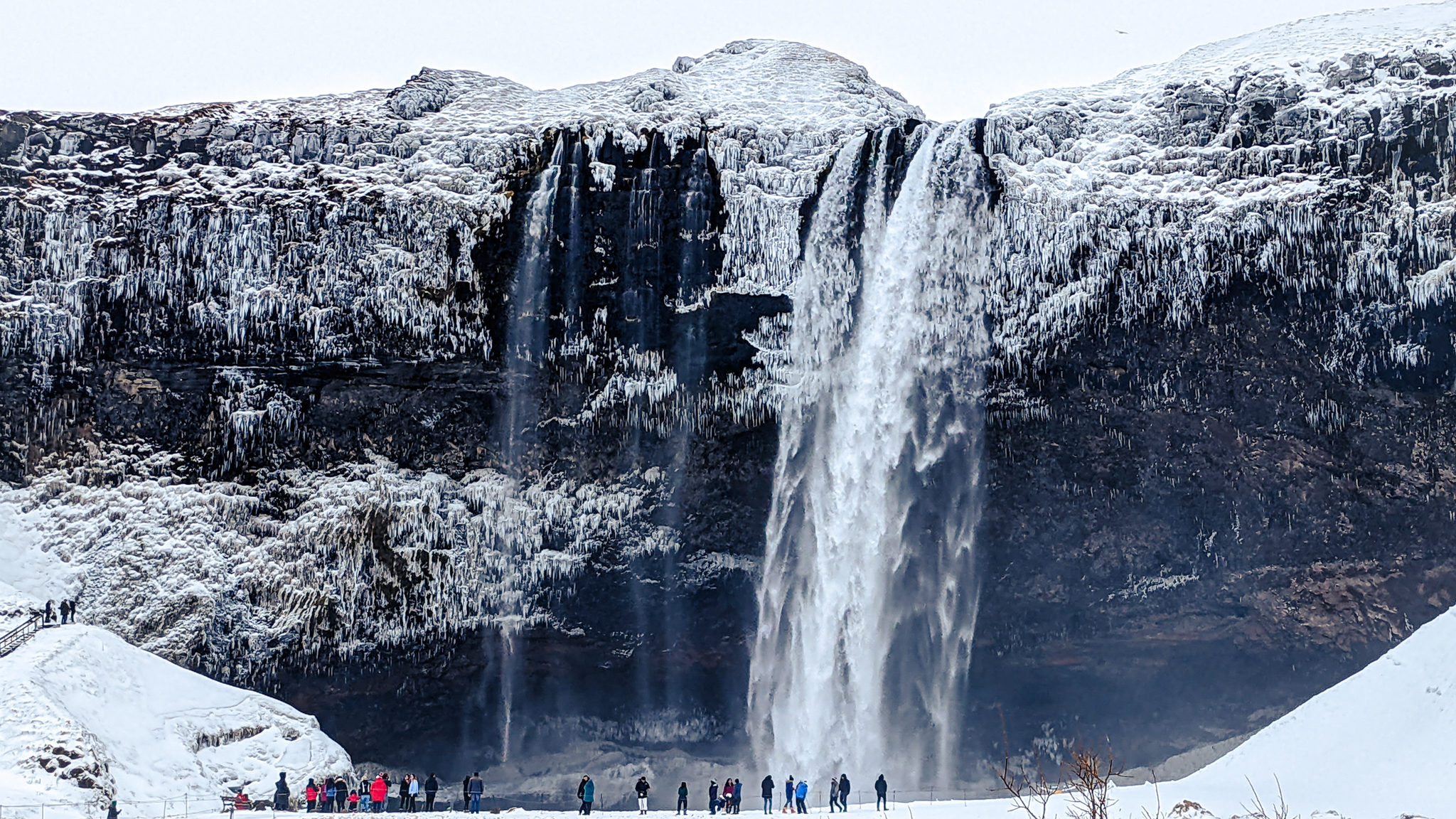
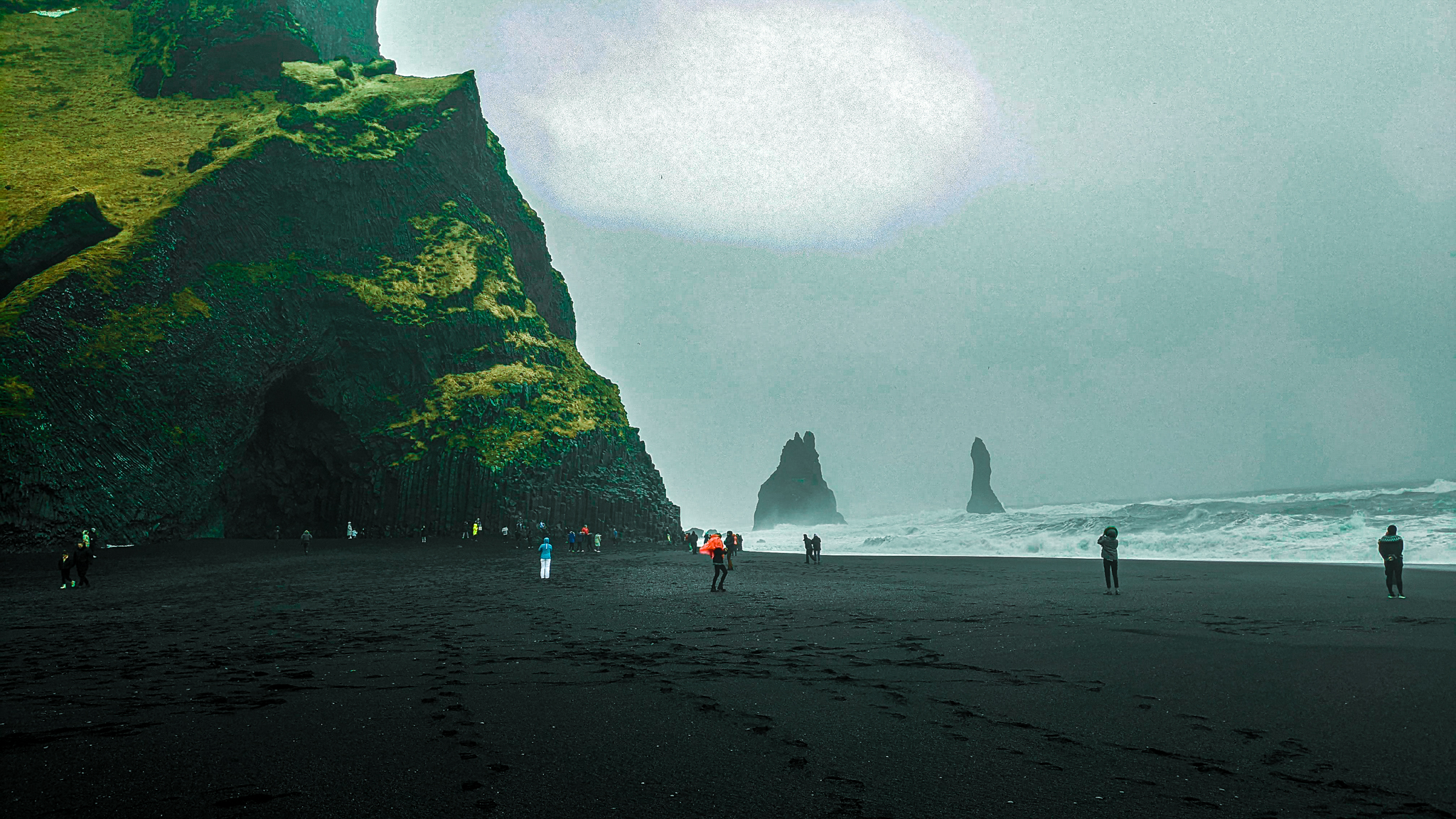
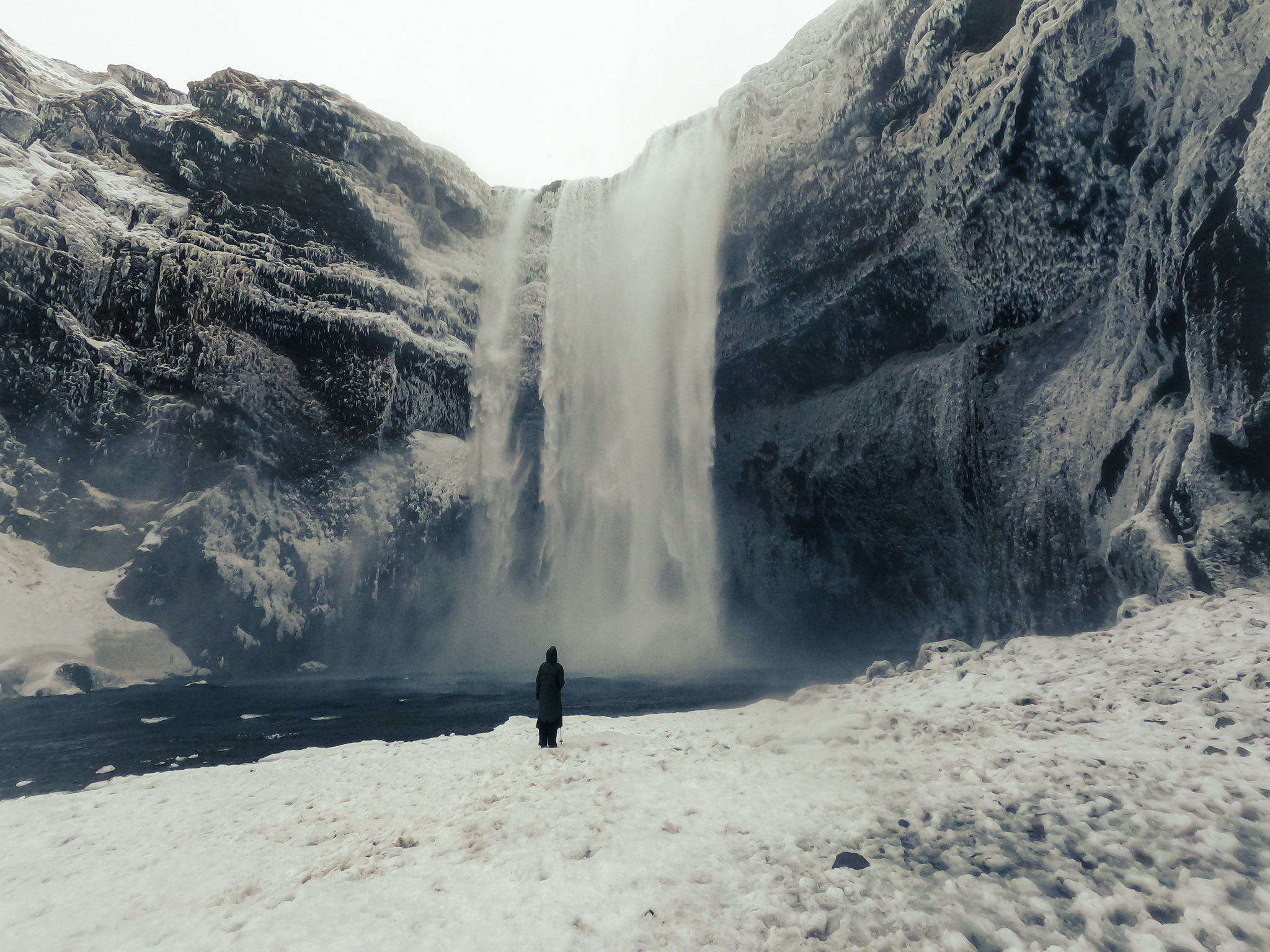
In the South you will find the gigantic waterfalls of Seljalandfoss and Skógafoss, the very well-known to Instagrammers beach Reynisfjara (black sand) as well as that abandoned American airplane in the middle of nowhere (btw we skipped that, not really worth it in our opinion)
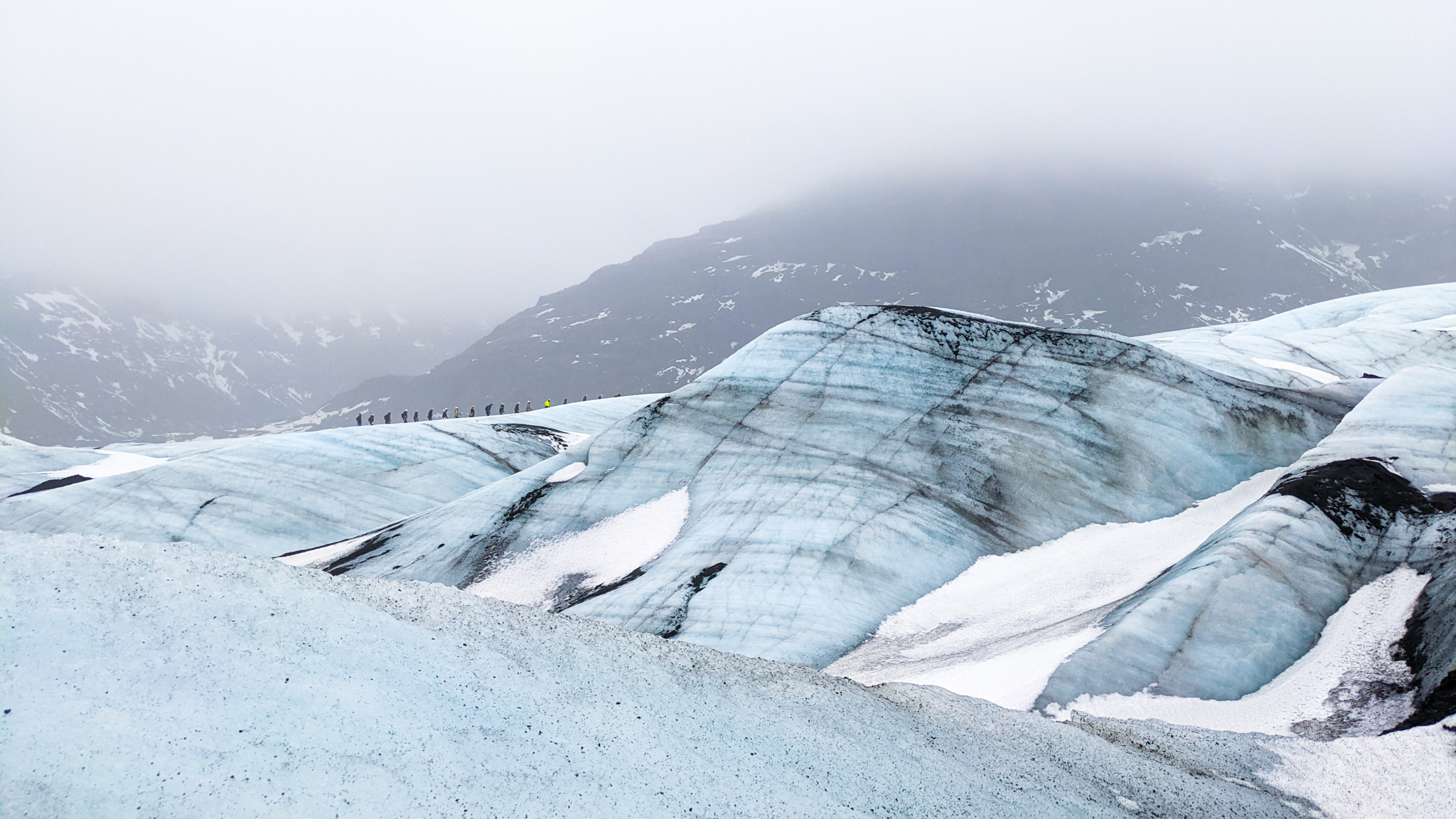
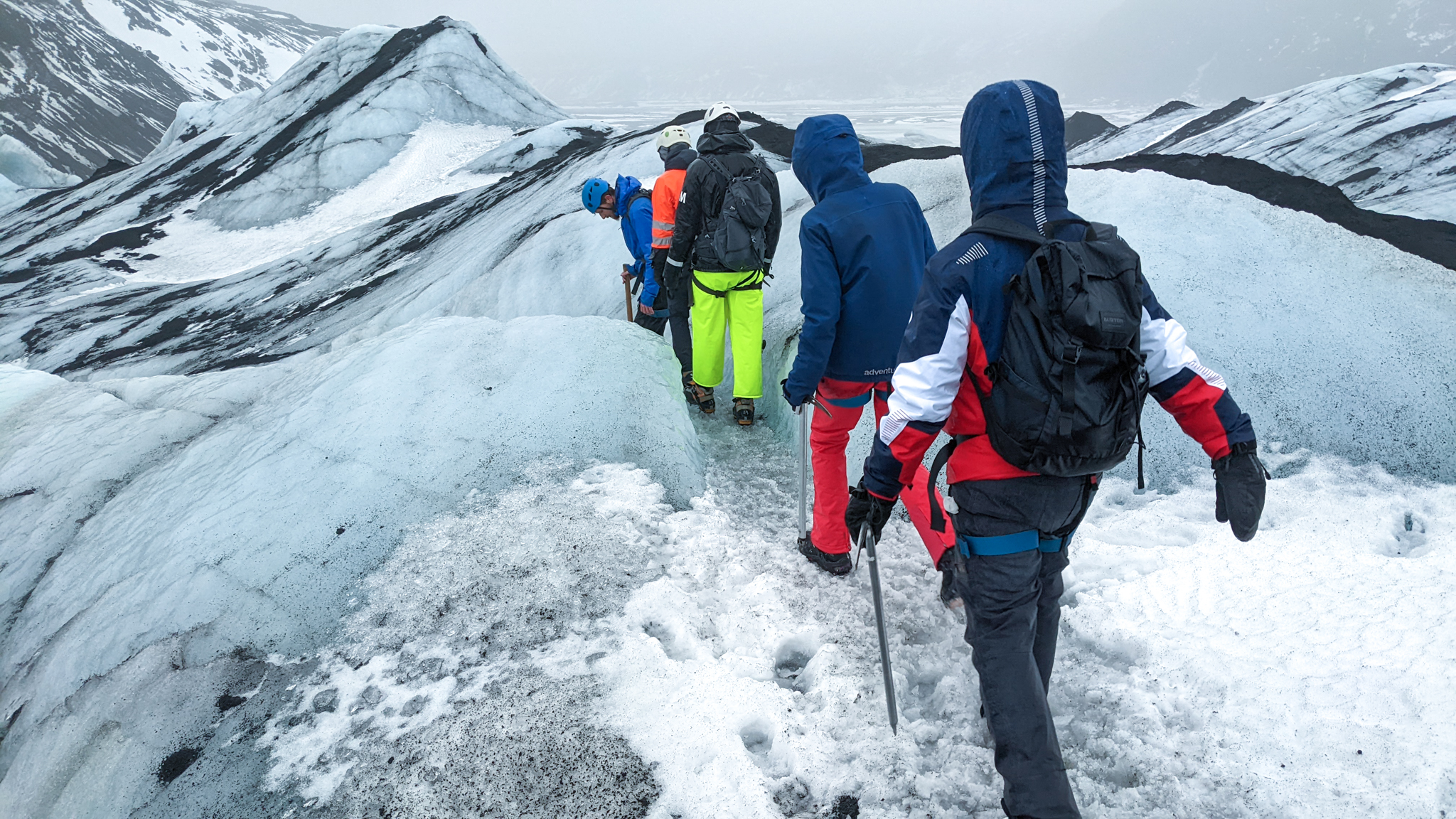
Moving more to the west you will reach the incomprehensibly enormous glacier of Skatafell and Diamond Beach.
These landscapes have been the filming locations for series like Vikings & Game of Thrones & Sandman
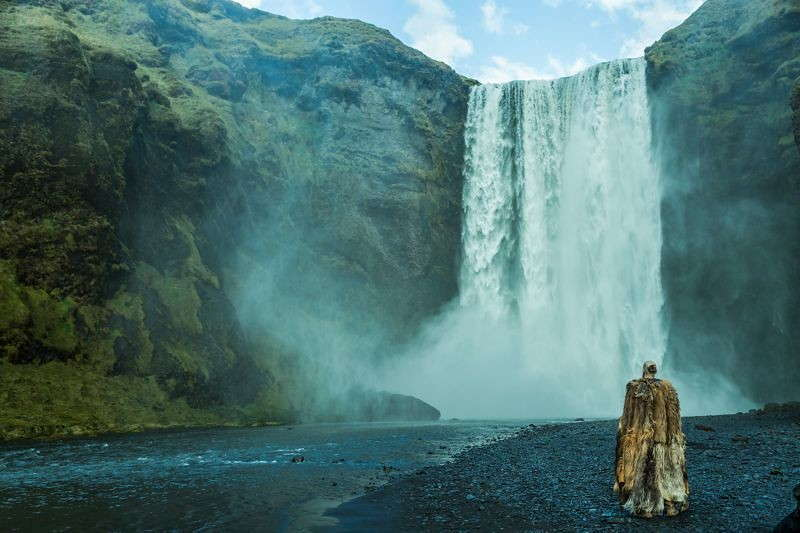

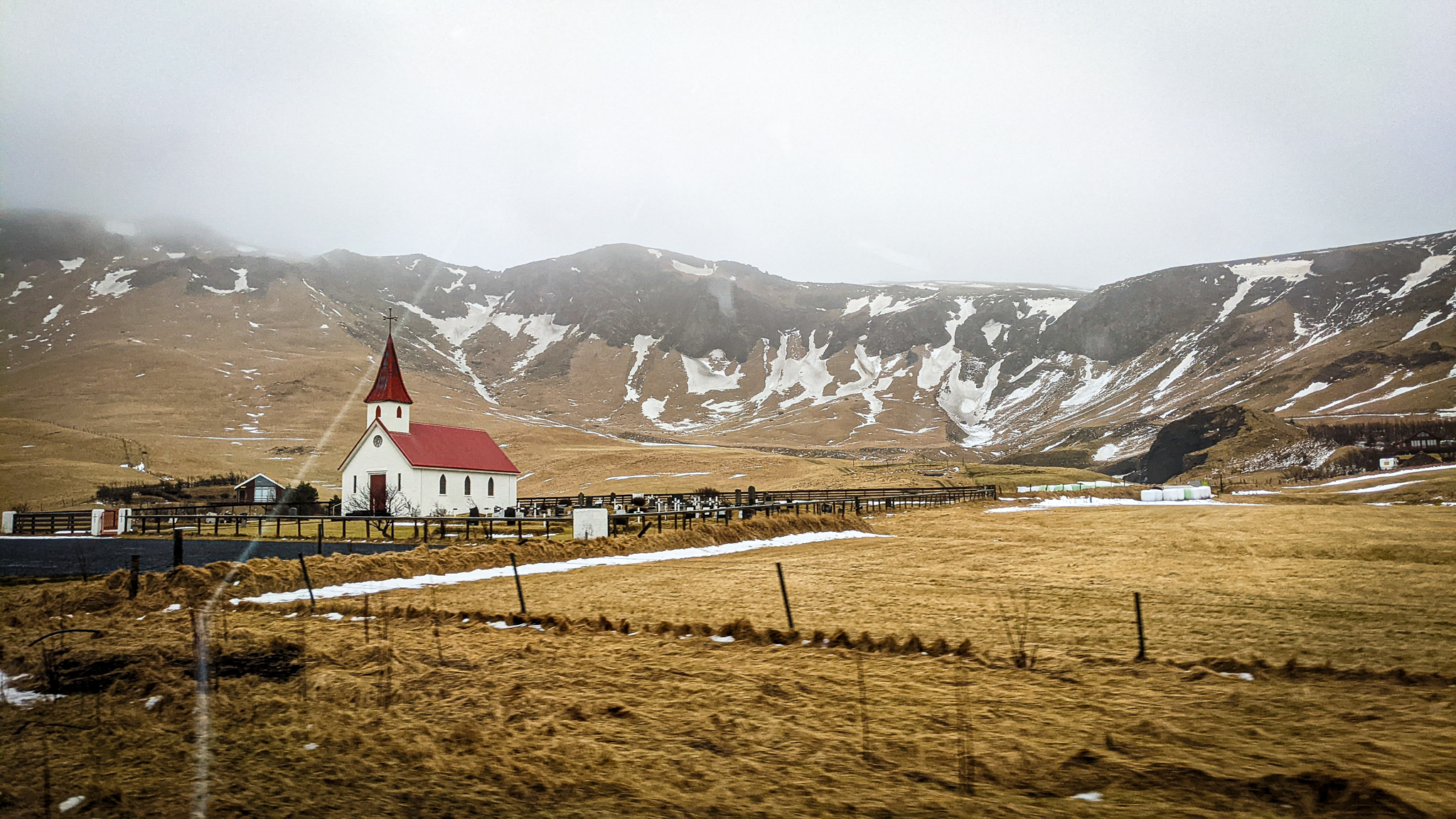
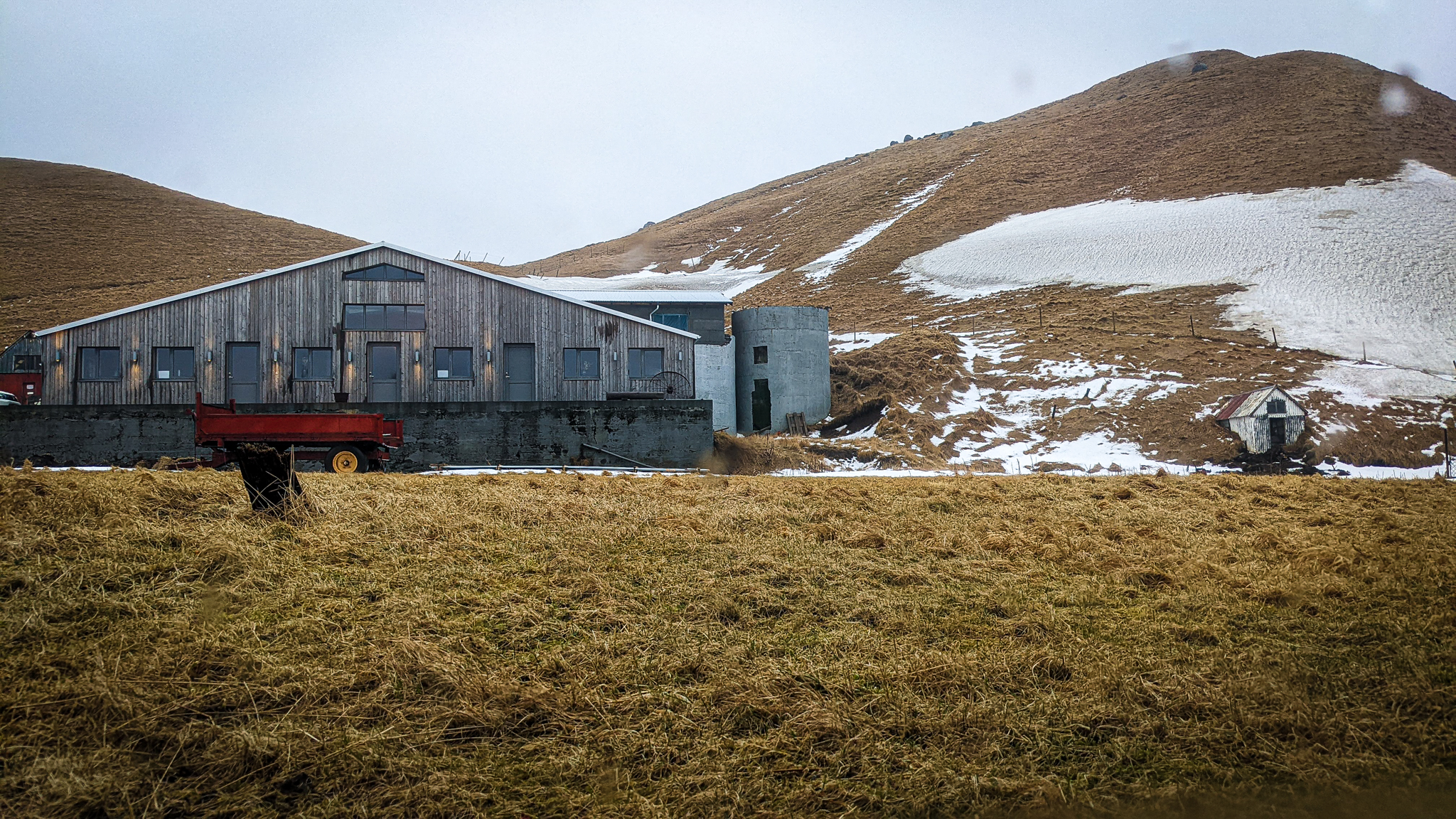
Some of my photos (click to enlarge)
🚙 4. Renting a Car vs Hopping on Group Tours
There are many day trip tours starting from Reykjavik that explore the Golden Circle as well as the South and then return back to Reykjavik. So if you can’t spend a night in another city or/and can’t rent a car they are a legit (but expensive) option.
However bear in mind that you will most likely feel you are part of a school field trip or even worse, you will feel like…tourists. In these tours, the time given to enjoy each stop or sightseeing place is super short so they can fit as many stops as possible. Many things are missed and it feels like a loud human photo-taking invasion of a virgin landscape.
So after a lot of consideration, we went for renting a car, so we can make our own schedule, take our time, and make stops wherever we wanted, and I couldn’t recommend this enough. I was skeptical as I am the only driver and the conditions are harsh. But seriously, the prices for each tour are so expensive that renting a car was more or less the same price (tours are easily 100 EUR pp and you will need at least 4 to see a bit of golden circle, south, try to catch an aurora, etc so the costs quickly add up!
The total amount was not small but having a car made a huge difference in our experience. We paid a bit more than 1000 EUR for a 4×4 2022 brand new AWD/FWD (All Wheel Drive, or Four Wheel Drive, it’s kinda the same) car for 10 days. Driving in those conditions deserves a post on its own but let’s say it takes a driver with some mileage as the conditions can become extremely harsh all of a sudden within minutes. For now, I leave you with some photos of our car – the ultimate safe space during this journey.
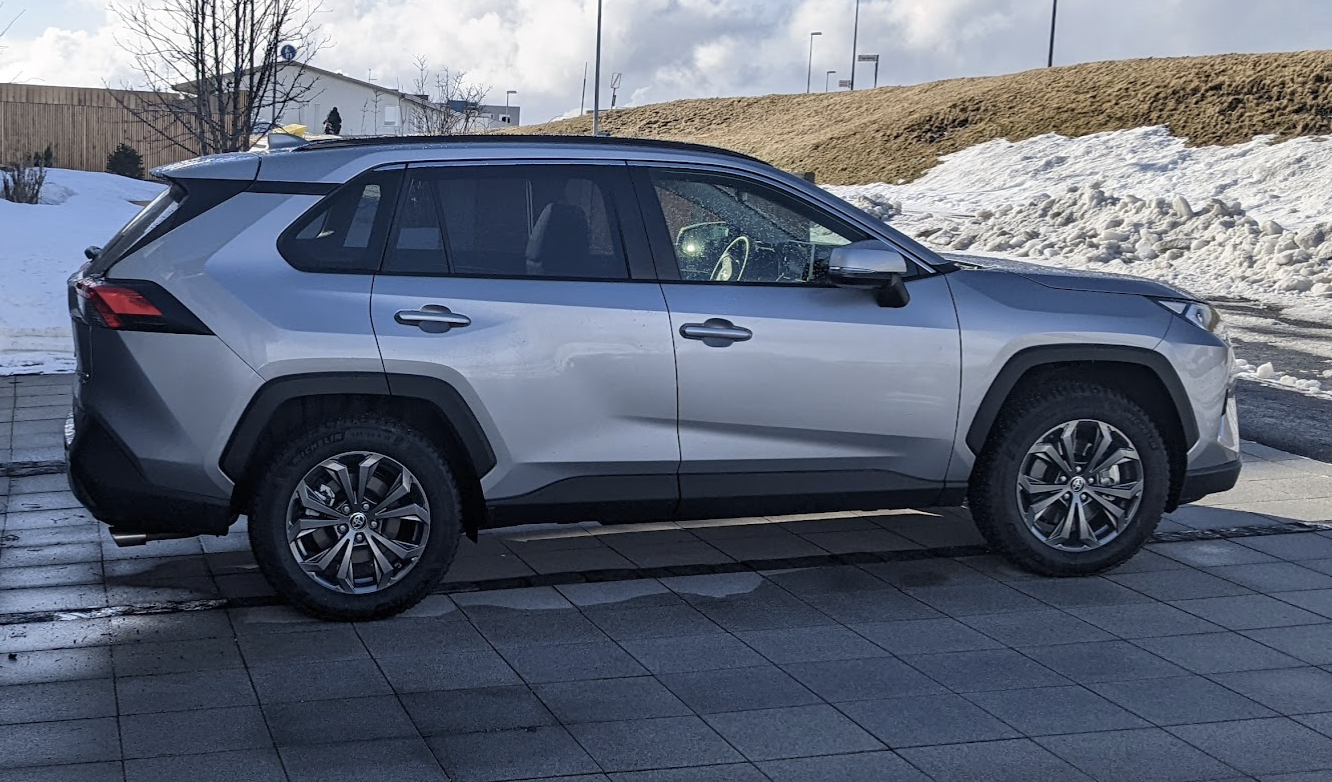
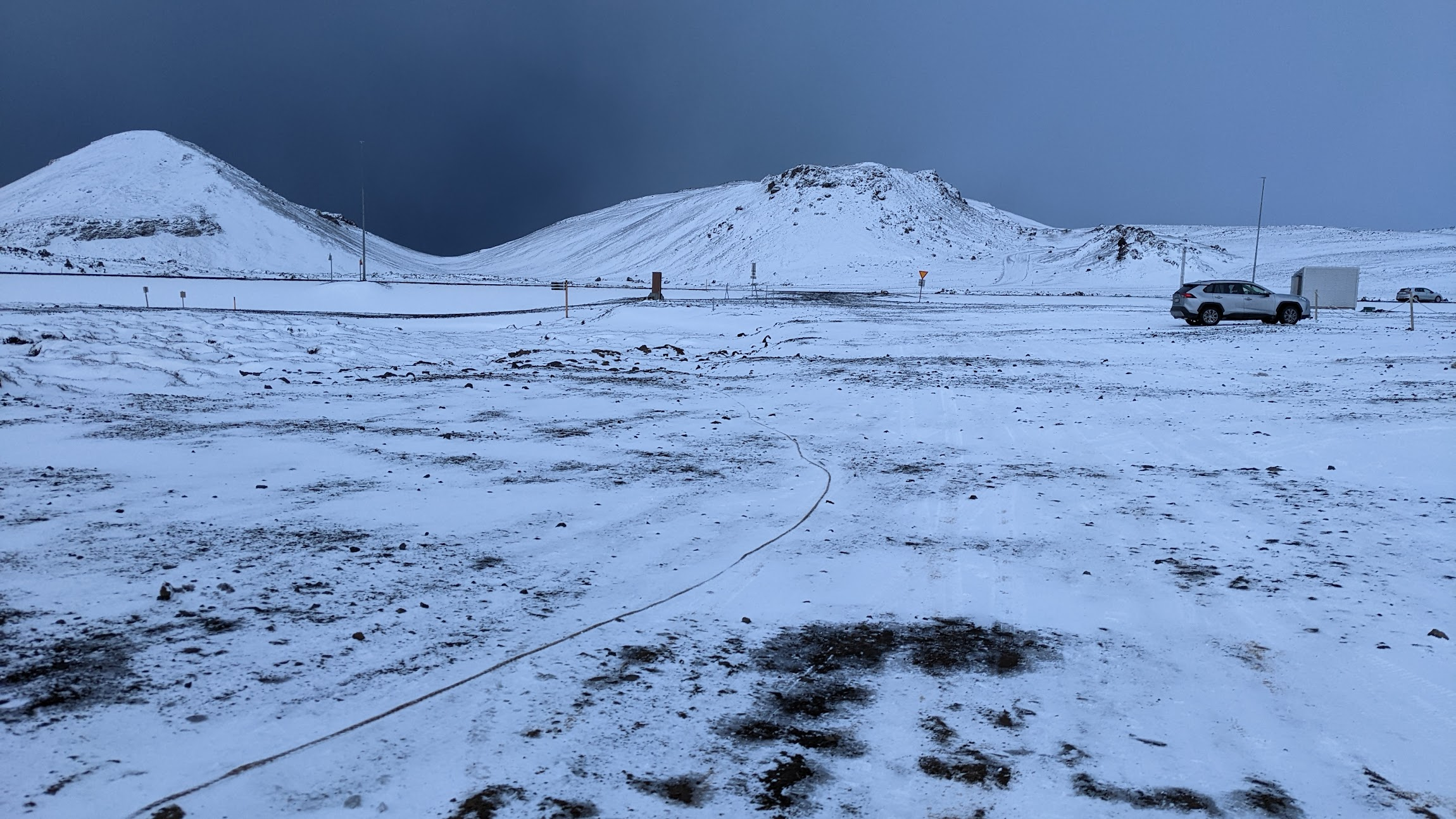
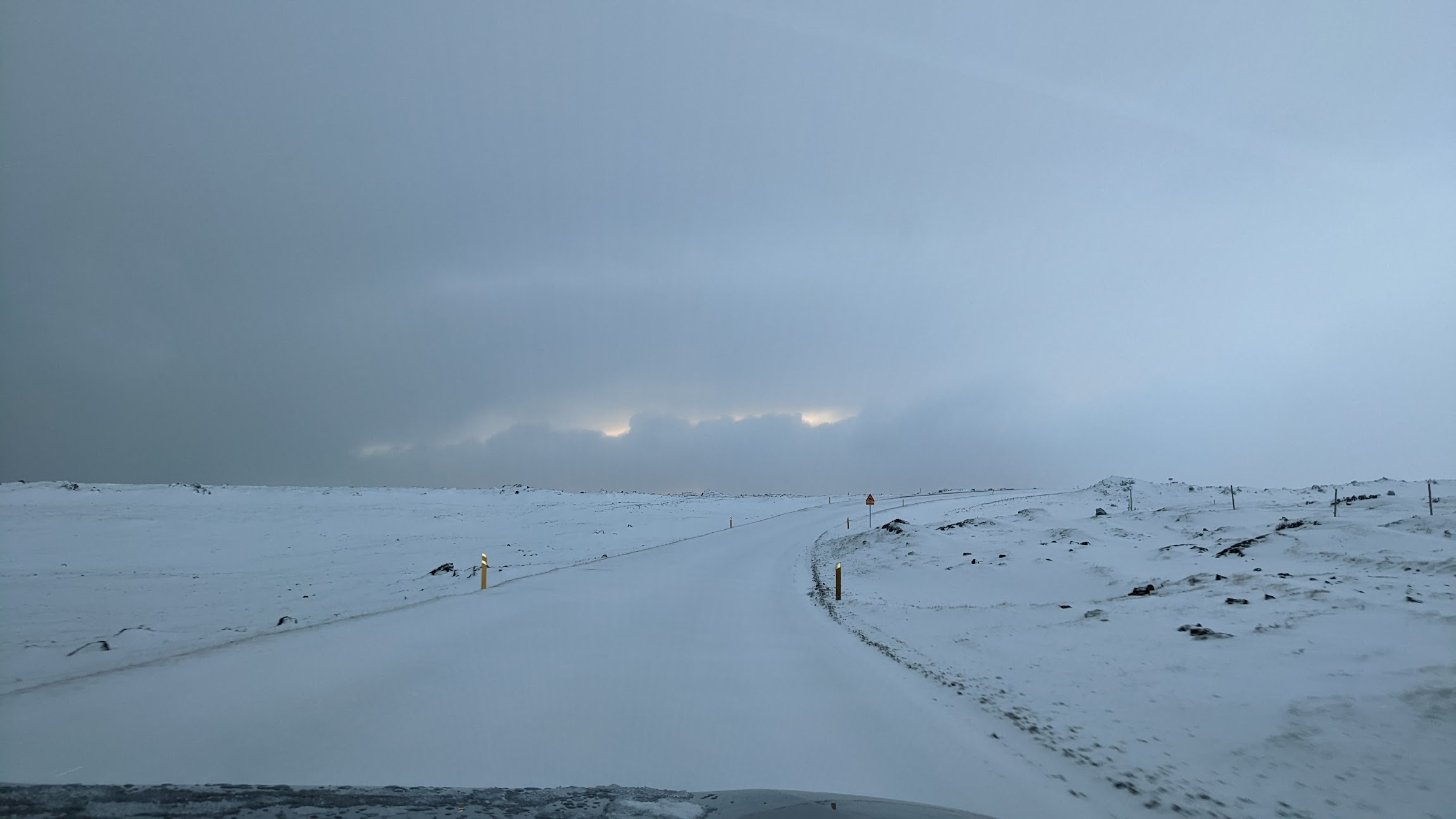
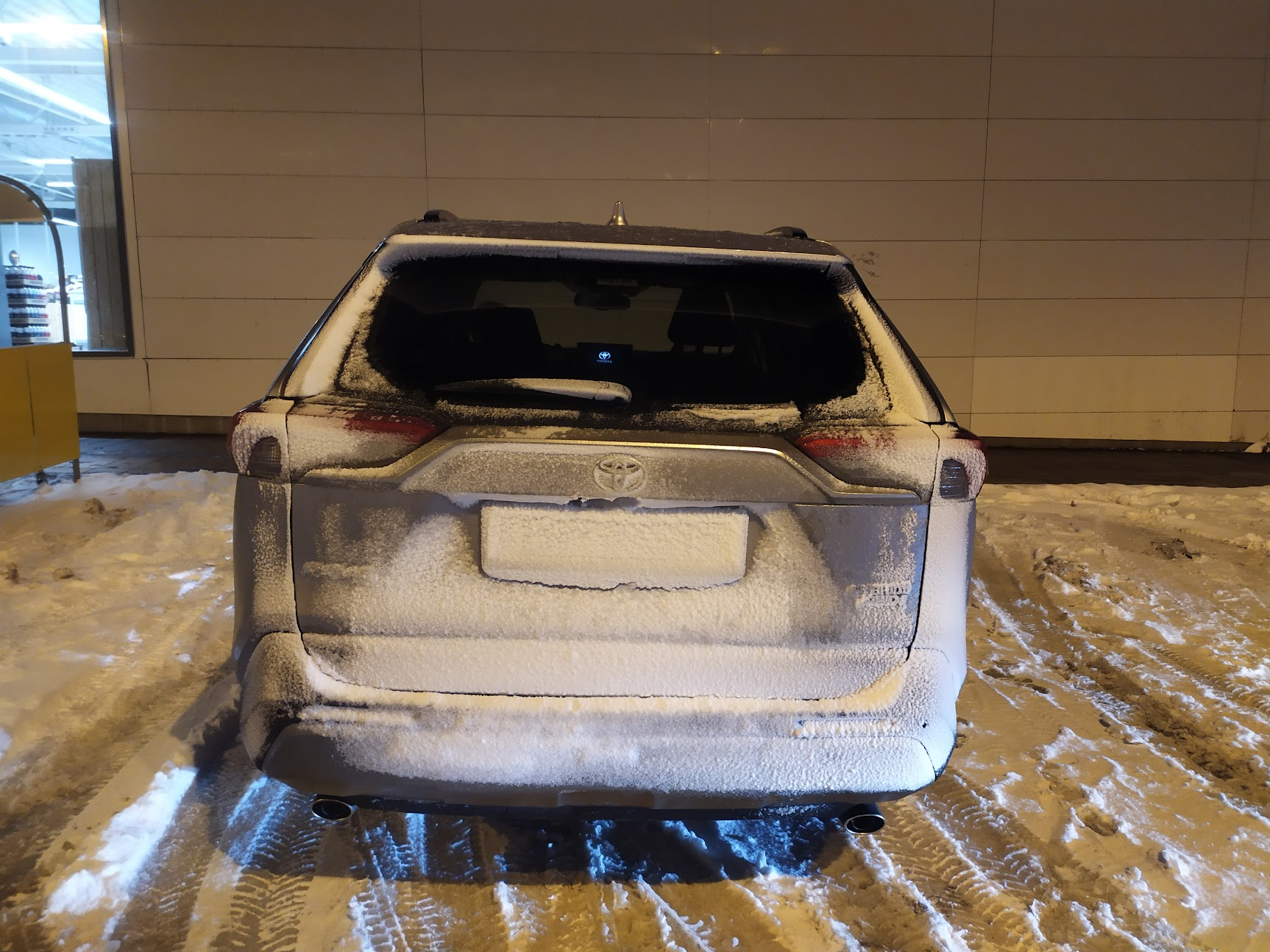
Driving in Iceland needs a lot of extra caution and the choice of getting a 4WD was something we never regretted and played a crucial role more than a handful of times! (we spent some hours in Reddit trying to understand if it’s worth it vs a normal car when booking)
There’s also an app that shows the driving conditions for every road updating live (more in chapter 9)
🚐 5. Should we get a Campervan?
Many also rent campervans and drive around the whole of Iceland (this is known as the “Golden Ring”, not to be confused with the much smaller “Golden Circle” we saw before)
This is a cool alternative but I deemed it too risky for our first trip, especially given the time of the year we choose to visit. If you’re up for the Aurora Borealis then you are probably visiting while there is still much cold and snow. Temperatures reach far below zero at night, everything is just snow and ice.
Most campervan-designated parking areas were closed until March.
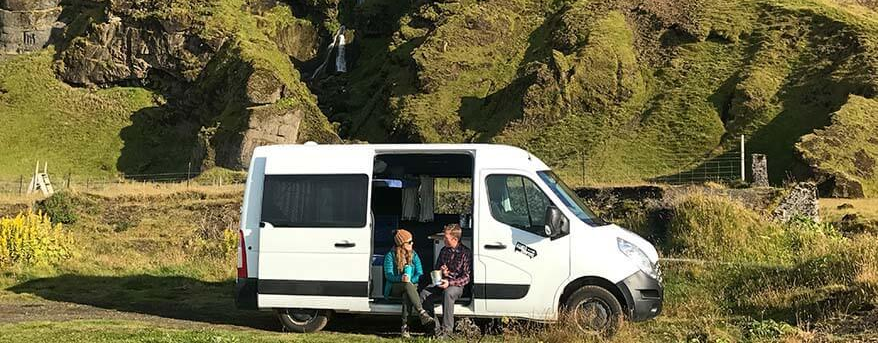
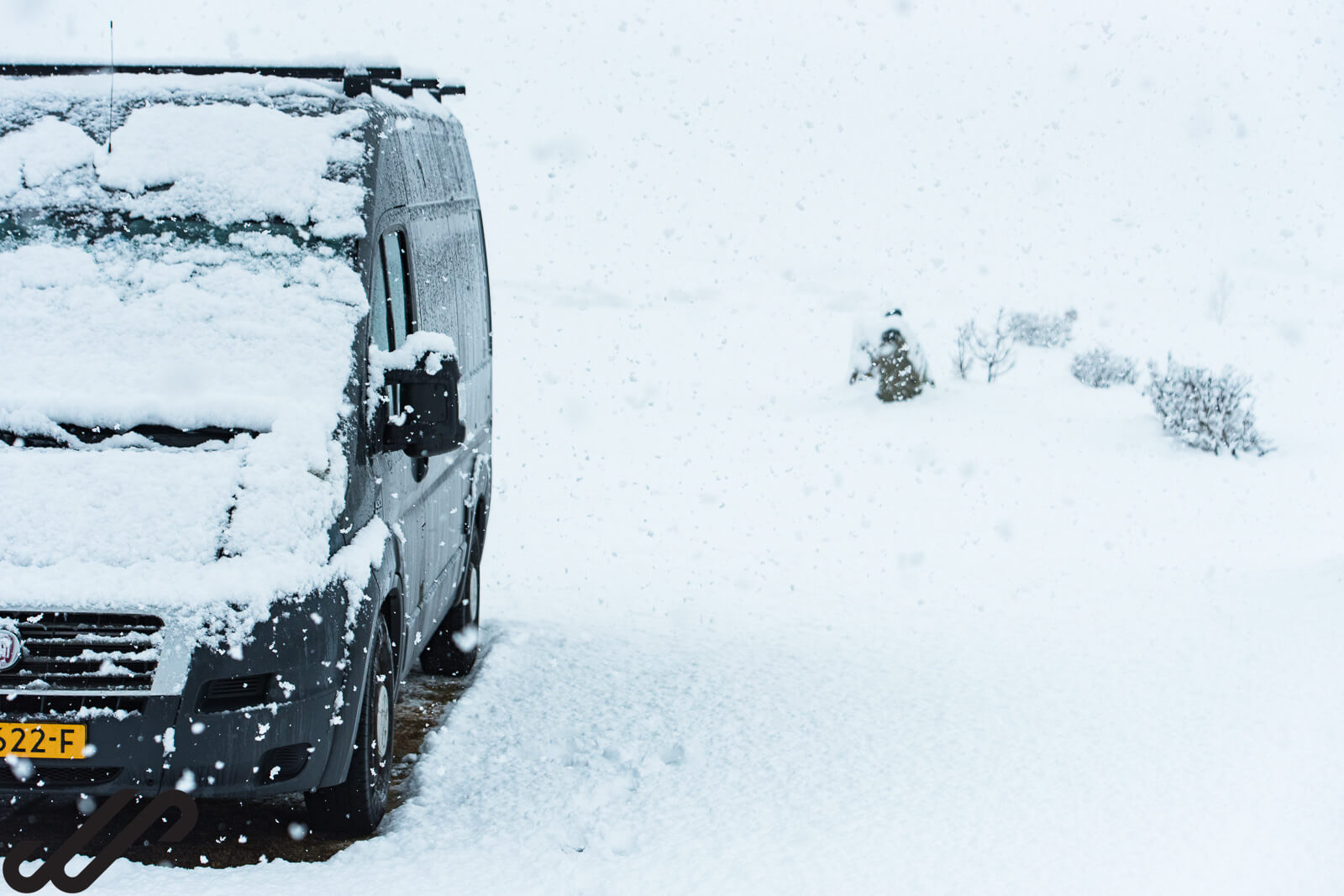
During our trips we came across some stressed campervan people that were trying to find safe place to park and stay for the night as the wind can reach 200km/h and the wind gusts can shake you for good or even get you off the road. Weather conditions can be extremely unpredictable and volatile as it changes all the time.
“If you don’t like the weather, wait 10 minutes”
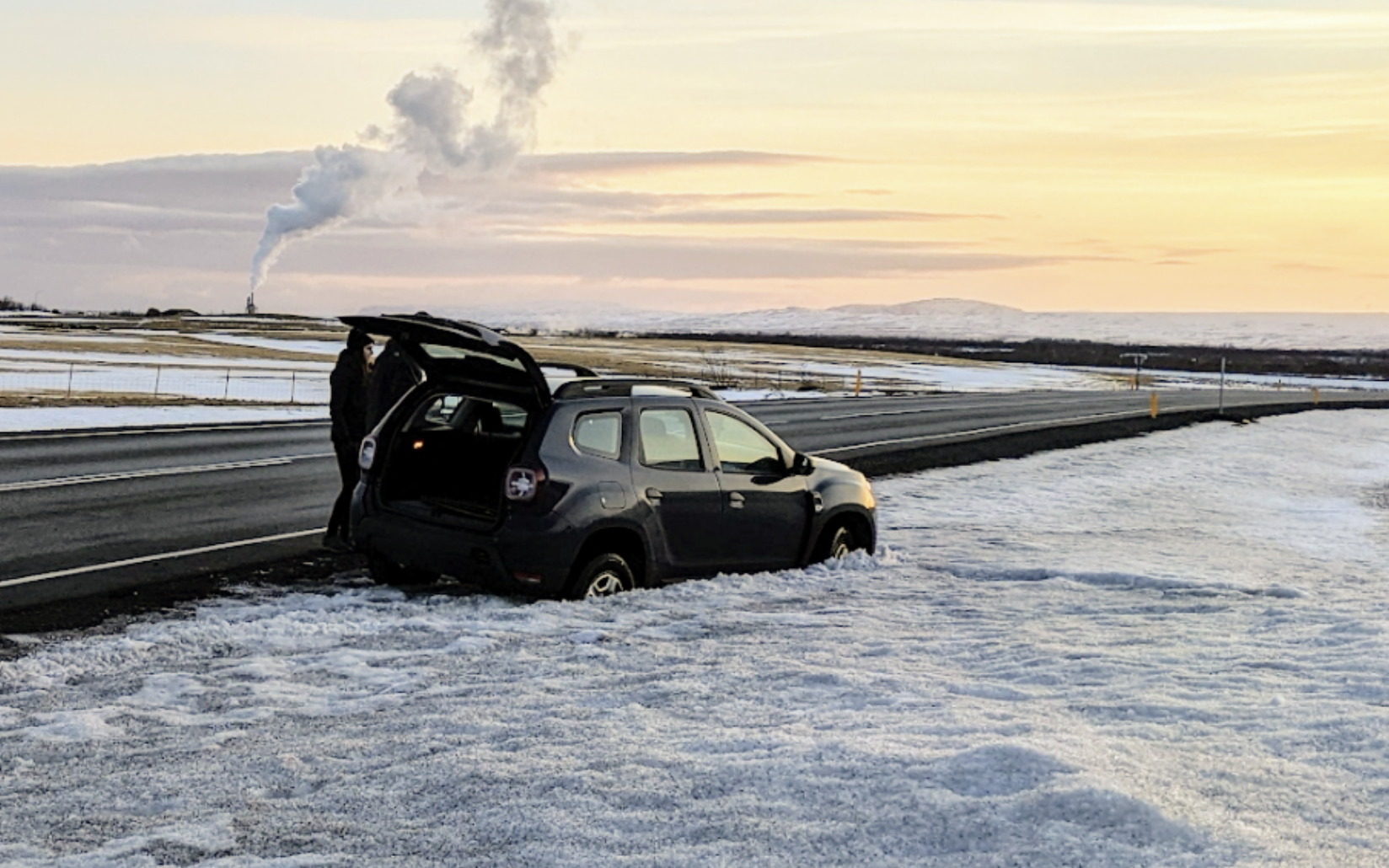
Not a campervan but an unlucky couple we met that went off-road. Notice the depth of the ditch, it gets deep fast. This was on the day with the least snowfall. (Ofc we stopped and helped them out!)
The bottom line is – if you’re visiting during winter think hard before getting a campervan. In the summer it’s definitely easier and safe but then you’re saying goodbye to the northern lights! Lastly, the renting was not coming off cheap, and paid parking was needed very often (It’s strictly forbidden to stop on the side of the road)
🏡 6. Accommodation in Iceland – Free with HomeExchange
Here we come to a plot twist (note: this is not sponsored in any way)
Instead of Airbnb or Hotel/Hostel, we choose to do something completely different and eventually stayed for free in an insanely beautiful house.
We choose to exchange my apartment in Athens for one in Iceland through HomeExchange. It’s an amazing platform I discovered when my building banned Airbnb and I wanted to make use of my at times vacant apartment. It works like a charm and I’ve used it numerous times.
(When my building forbid Airbnb’s I listed my place as an Exchange)
What’s HomeExchange?
In shorts, HomeExchange is an international platform in which members can swap homes for no money. There are two types of exchanges – the reciprocal exchange which happens at the same time (they stay at yours and you at theirs) and the async which is enabled through an internal currency system called GuestPoints.
This is the way I’ve booked most of mine. You can collect GuestPoints by having someone stay at yours and then use them at any time to book a place for yourself.
You need to register to use the platform which is 175 USD per year.
Within 8 months we used it for 4 different stays totaling almost 2 months in absolutely amazing houses (even villas with swimming pools in Portugal). It has been SO worth it!
People on the platform are way nicer than Airbnb, show a lot of respect for the spaces as reviews really matter, and clean up everything after themselves.
Even if you use it once a year for an exchange the membership is totally worth it. Here’s my profile
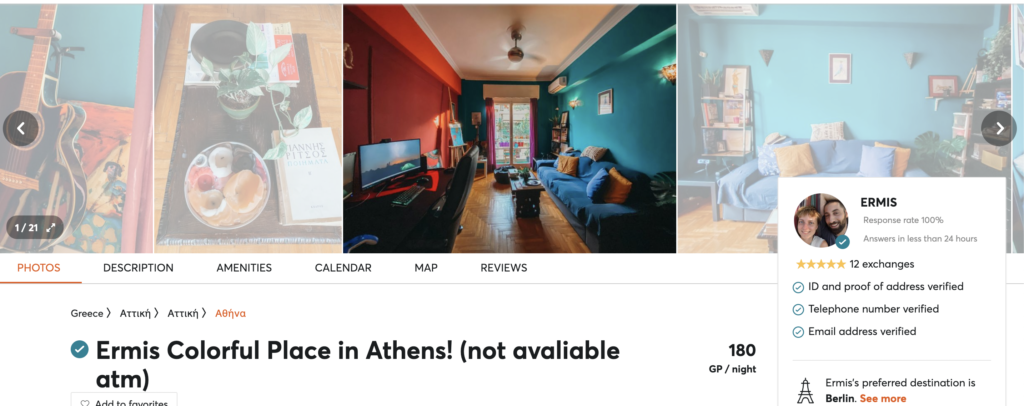
💡With a two-room 50sqm apartment in Athens having 1 guest over for 14 days, I got enough Guest Points to stay in Iceland in a wild 120sqm home (heated floors, glass walls) for 10 days.
We sent about 30-40 requests to Icelander users about two months before our trip and 4-5 resonded positively to the request. Then we just picked the best house and location and booked it using the Guest Points we had.
Here’s a small view of the house in Iceland!
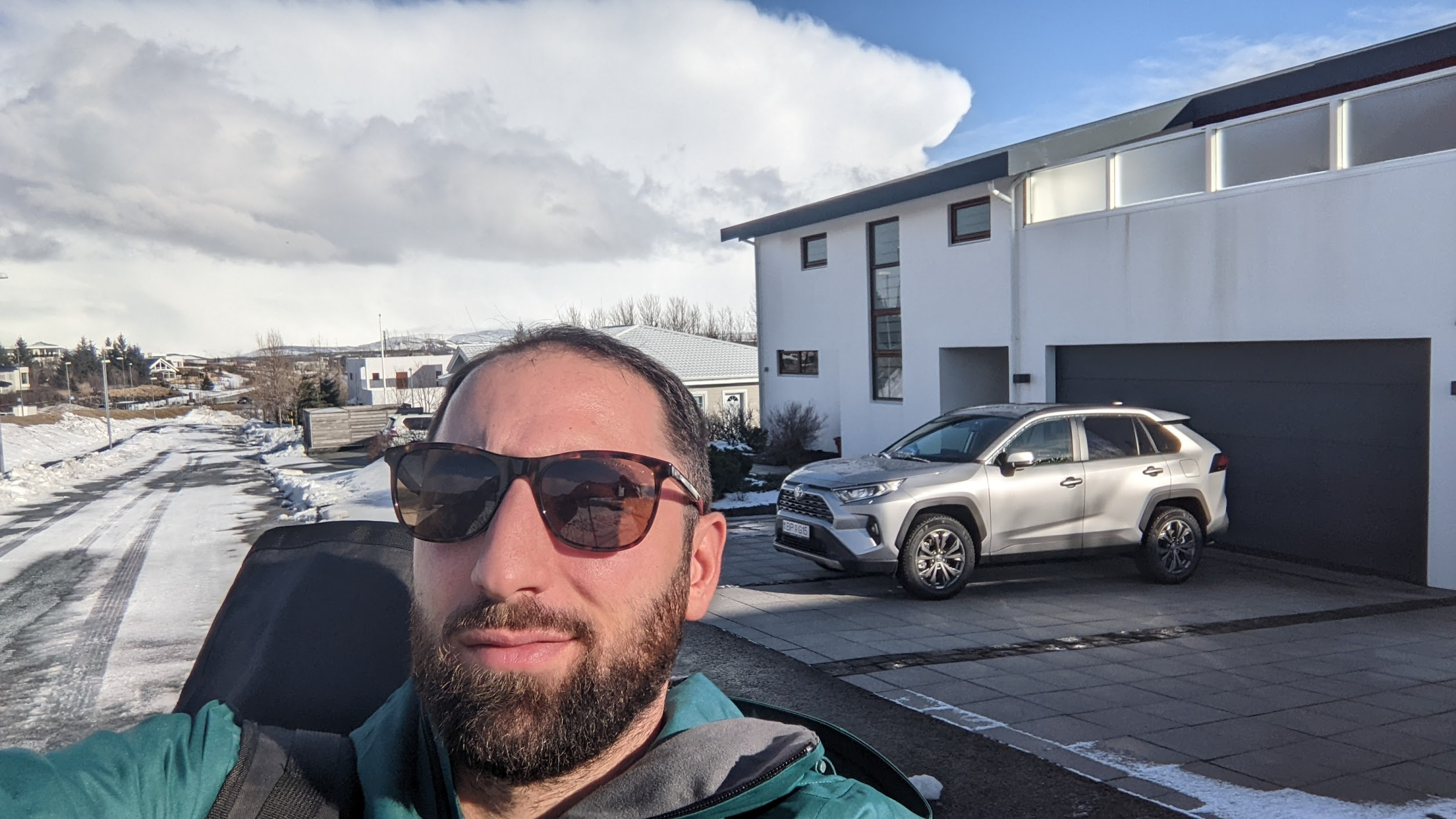
Total Cost: 0 EUR. (I left them some greek honey and soaps as gifts)
♻️⚡️How come houses are so big and what about energy?
1. Iceland has plenty of space (300.000 total population) and energy is one of the cheapest in Europe as there is plenty of geothermal activity happening underground (hence hot springs everywhere, volcanoes, etc) which Iceland turns into electricity!
So, if you decide to give HomeExchange a try to save money end enhance your traveling experiences feel free to use my links, it’s a simple referral that gives you some extra Guest Points upon registration 🙂
Alternatively, Airbnb and hostels are there for you but the prices will be hefty as nothing is cheap in Iceland (maybe besides energy but who knows in 2022)
🏪 7. Grocery Stores and Markets in Iceland
Speaking of cost saving: Bonus is by far the cheapest choice to do groceries and shopping in Iceland.
You will find them around in multiple locations and they are much much recommended if you are on a budget. We read articles stating that you will not find easily fresh stuff (salads, greens, fruits and vegetables) but we never felt that – the stores we visited had an abundance of everything.
The tomatoes, however, a personal favorite as a Greek, were pretty tasteless like they have been in most of Northern Europe 🥲
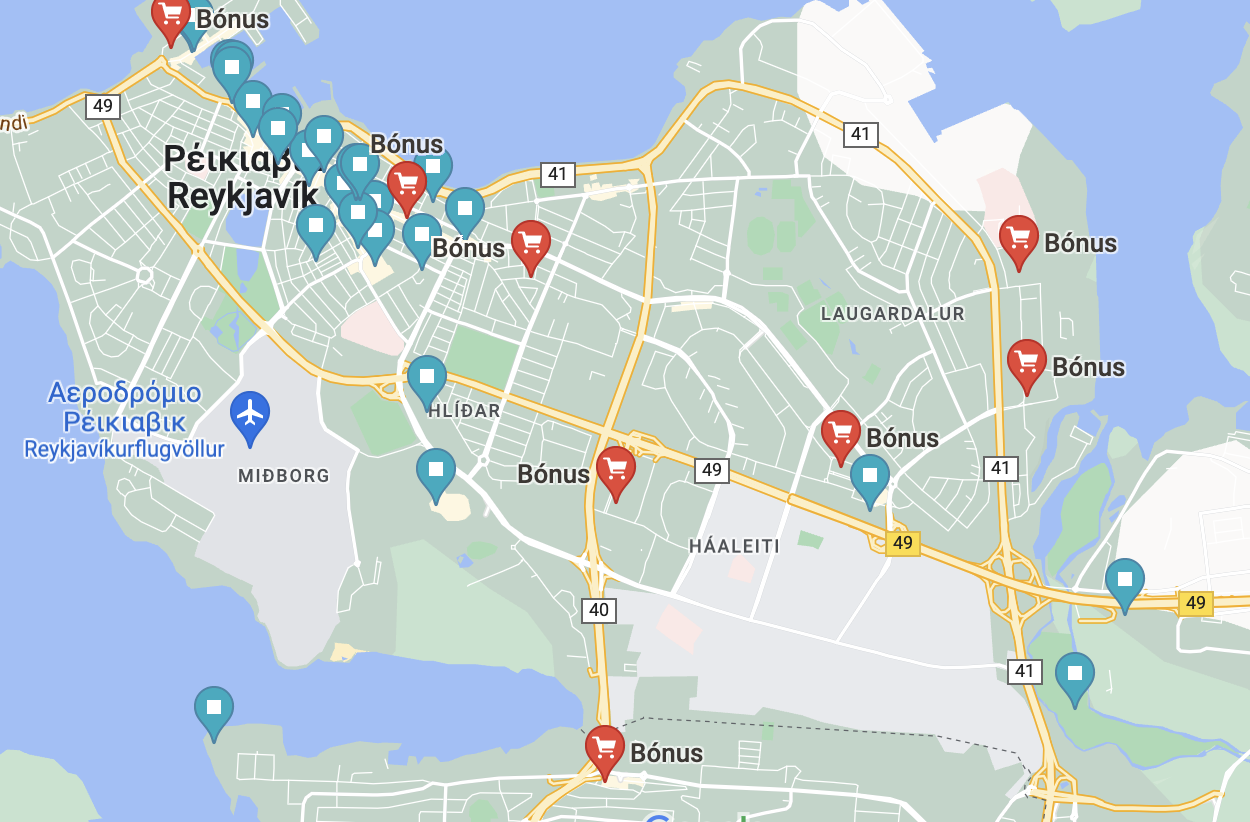
Last advice, if you want booze, beers, wine, etc buy your alcohol from the airport upon landing, BEFORE you leave the airport. The airport is tax-free and the price difference is massive.
📲 8. Apps to download in Iceland
Last chapter for this post, you’re almost there (Woohooo)
Some of the apps I used and recommend are:
1 – Safetravel | Roads Network – Driving Weather Conditions & Alerts
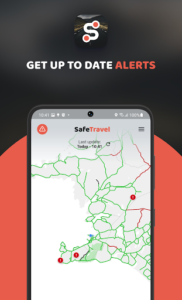
A must-have for driving and especially in the winter. You can check the weather as well as road alerts for the whole of Iceland, see the wind values, and the safety recommendation for any type of routing with tips on the road conditions. It’s updated in real-time
There are 2 websites with landlines that you can call anytime for free and get advice or ask questions on the road conditions. Don’t be shy to use them, winter is no joke and Icelandic civil services take it seriously and provide advice on any question:
https://safetravel.is and https://www.road.is
Get the app: Safetravel
2 – My Aurora Forecast & Alerts | Hunt the Aurora like a Pro

Seeing the Northern Lights (Aurora Borealis) is a once-in-a-lifetime experience and what personally led me to Iceland in the first place. This is a very helpful app to achieve that goal since the Aurora doesn’t happen all the time & is not visible from everywhere. Find your dark go-to spot, keep an eye on the alerts and cloud coverage map and get ready!
The app has some interesting functionalities & will send push notifications in the event of a visible Aurora giving you the opportunity to catch it while it lasts.
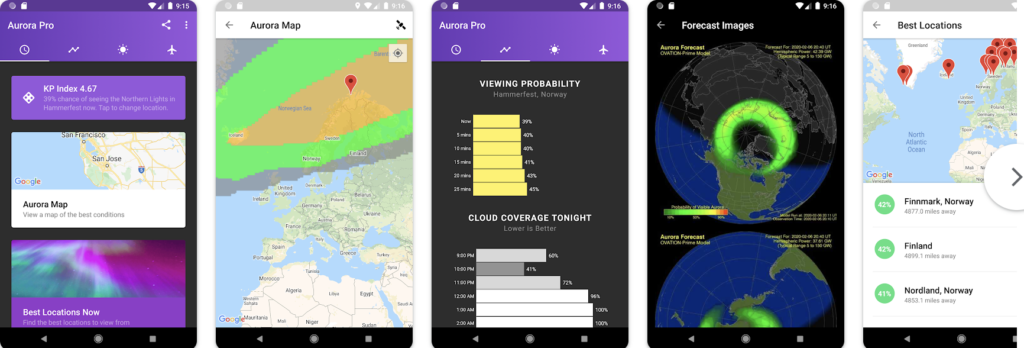
The second time we managed to see the aurora it was actually through an alert we got at 1:30 am night. We already had our close-to-the-city-but-still-super-dark mapped from a previous night so within 20mins of driving we were there. It was the most intense Aurora we’d seen, beams and vertical columns of light were dancing on top of our heads ranging from purple to green and white. Absolutely breathtaking.
Get the app: My Aurora Forecast & Alerts
3 – Straeto – Public Transport | Public Transport and Bus Tickets

To our surprise buses in Iceland do not accept buying tickets in the bus using a card. They need cash and the exact amount only. Make your lives easier (kinda) by downloading this official app. It allows you to buy tickets using a card. It’s not in English but you will probably manage since the UI is very simplistic.
“The buses in Reykjavík are one of the only places in the country that don’t accept plastic, so unless you’re planning on paying with the exact change (490ISK as of 2020) then get the app to buy your tickets.”
Get the app: Straeto – Public Transport
4 – Parka | Parking in Iceland, so you don’t get parking fines everywhere.
Parking is a pain and it’s not free in almost every location, landmark, or city. You will get fined. Save yourselves time and effort by downloading this app and getting the right ticket each time. It links to your license plate and it’s super easy to use. Works in all major viewpoints and sightseeing spots (waterfalls etc) even if they are in the middle of nowhere.
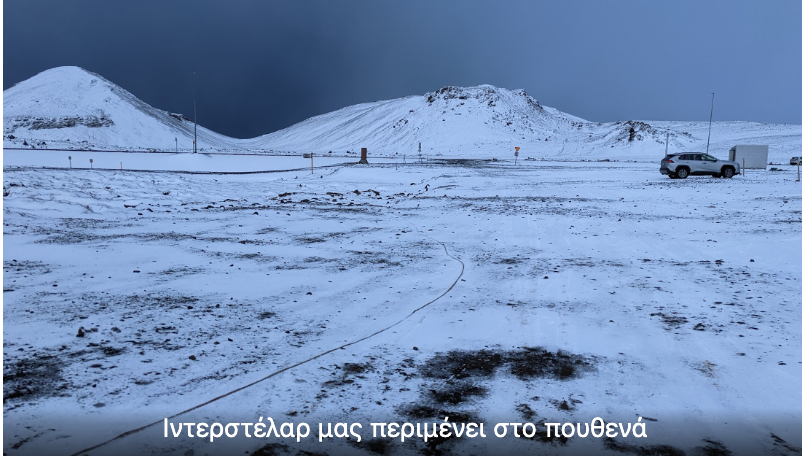
Imagine we got fined for parking in the place below, 1 hour away from any sign of civilization near the volcano area. Some cameras saw us & we received it later over mail from the rental company. 👇
Get the app: Parka
5 – 112 Iceland | Emergency Services of Iceland (aka Υοu never walk alone)
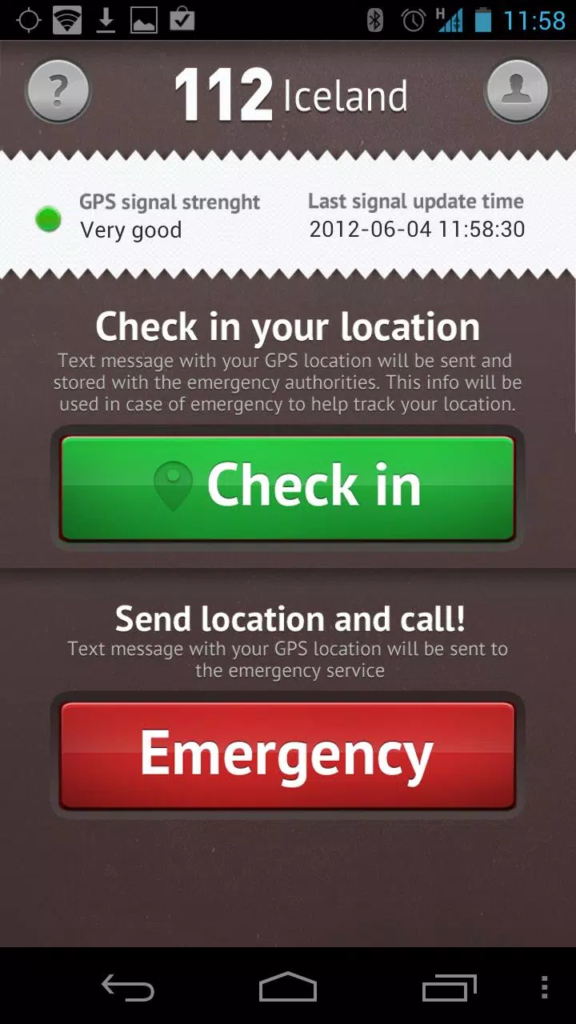
As we said, Icelanders take safety very very seriously. 112 is a must-have app if you plan to go hiking, go off-road or get out in harsh weather conditions.
You can use it in 2 ways:
Green Button:
Sends your location to the service’s database, free of charge, as a check-in. It will save up to 5 previous locations. This can be used if there is an emergency in the area, or something goes wrong.
Red Button:
Shit got real. If you press that a distress signal will be sent to the service with your location and a call will start, most likely so they come to rescue you.
Get the app: 112 Iceland
9. Revolut – Pay stuff with no fees
(this is not a sponsored post – I just include my referral link)
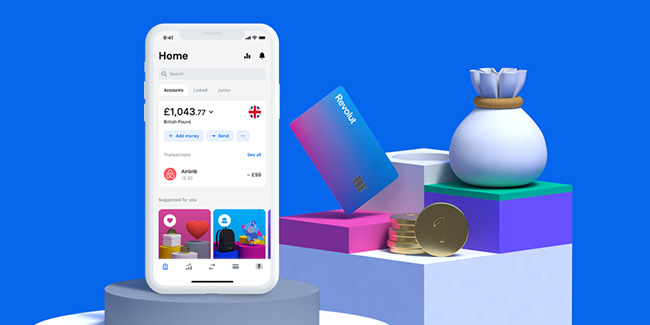
If you haven’t heard of Revolut so far, it’s probably time to make an account. Besides the fact that you can do anything you would do from a traditional bank you get a whole set of functionality unlocked from buying stocks, crypto, or gold to splitting the expenses of a whole trip easily with a group of friends, setting a budget, track what you spent and send money to friends in seconds.
But Why make a Revolut?
When traveling abroad, and especially in countries with a different currency, most banks will charge you a fee every single time you use your card. They will also charge an extra fee to convert the native currency to the local one.
Revolut, like other neo-bank products (Like Wise or N26) is free, ships a card at your place, has an app where you can easily add and use money and Revulut charges NO fees for any transfers and transactions up to 5.000 EUR a month. (On the weekends it will charge a 0,5% per transaction. So 50 cents per 100 EUR spent)
💸 To put that in perspective my Greek bank (Piraeus Bank) charges 2% per transaction with a minimum charge of 1 EUR fee per transaction. That piles up to a crazy amount spent in fees if you use the card around.
Carrying cash is also an option but a) you need to find an exchange service where you also pay exchange fees & a higher rate and b) when you’re out of Iceland you need to convert back etc
Use my referral and try out Revolut for free.

I might get into more details on my actual trip in a later post since this one turned into more of an operational guide to make sure you know your way around Iceland instead of actual descriptions!
Stay safe and see you soon!
Comments
Top site ,.. amazaing post ! Just keep the work on !
Author
Thanks for taking the time to leave such a kind comment!